RESOURCE CENTER

Carbon Fiber Material Blog

Expert guides, application insights, buying tips, and industry news to help you make better decisions about carbon fiber materials.

Latest Material Guides

Read practical articles about carbon fiber sheets, tubes, rods, applications, and material selection.

Carbon Fiber Rod Application

What Is Carbon Fiber Rod Used For?

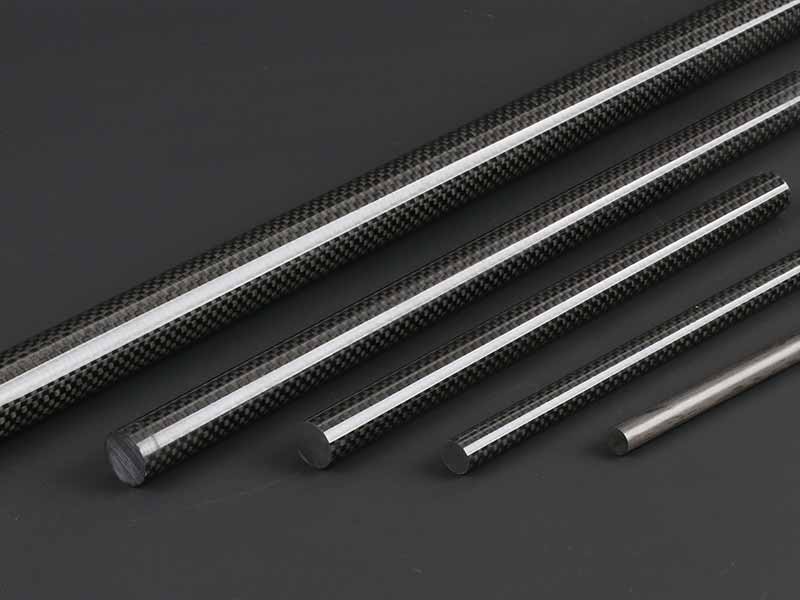
Carbon fiber rods support structural frames in robotics, drones, and precision equipment. They also reinforce sports gear and musical instruments where stiffness affects performance directly. Construction projects use carbon fiber rods for reinforcement in structures sensitive to weight and corrosion. Each application depends on axial stiffness rather than raw material strength alone. Types of Carbon Fiber Rods Solid Carbon Fiber
Read More »
Carbon Fiber Vs Steel

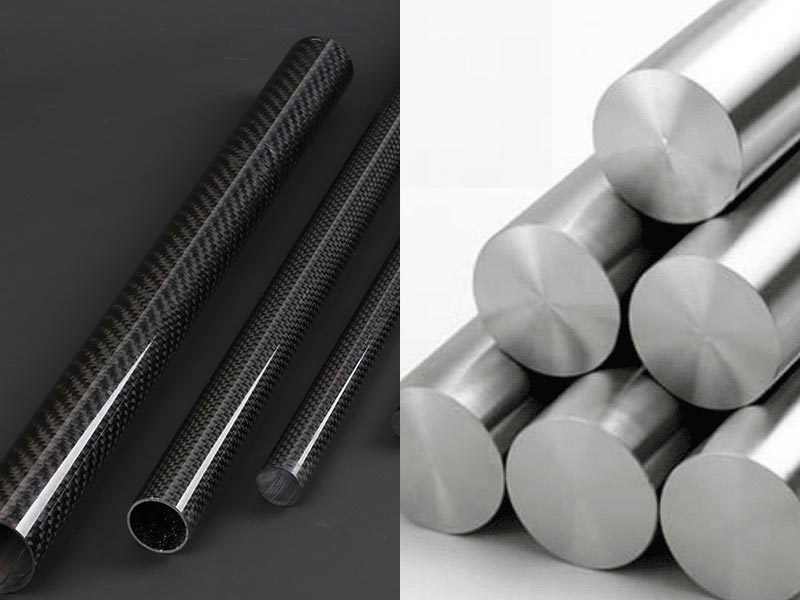
Is Carbon Fiber Stronger Than Steel?

Carbon fiber reinforced polymer often shows higher tensile strength and specific strength than steel along the fiber direction. It is not universally stronger, since steel usually performs more consistently across compression, shear, and multidirectional loads. What Does Stronger Mean When Comparing Materials? Strength covers several distinct properties rather than one single number. Comparing CFRP and steel requires separating tensile, compressive,

Read More »

Unidirectional vs Woven Carbon Fiber

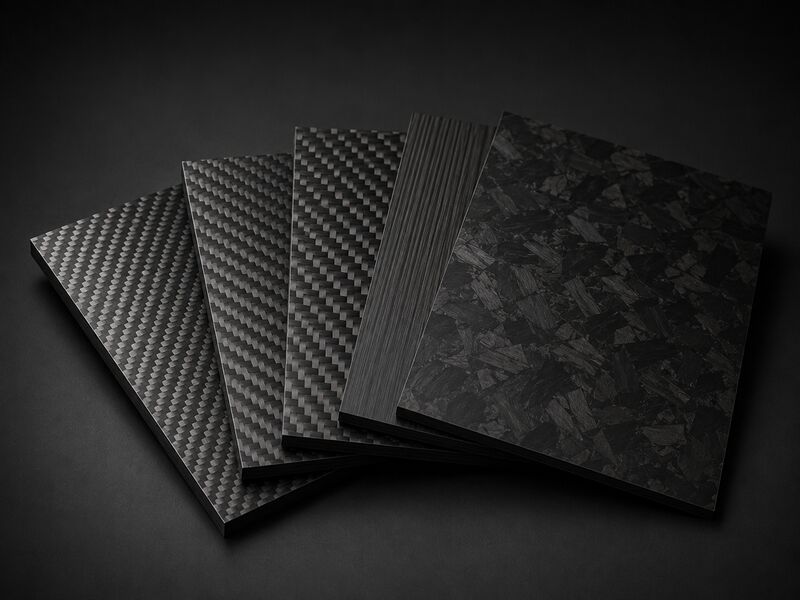
Carbon fiber reinforcement comes in distinct forms that shape how a laminate carries load. Unidirectional fiber, often called UD, holds all filaments aligned in one direction within a single ply. A light cross thread or scrim keeps the tow spaced but adds no structural strength. This arrangement places maximum fiber volume along one axis. Load capacity peaks in that direction,

Read More »
PAN vs Pitch-Based Carbon Fiber

PAN vs Pitch-Based Carbon Fiber

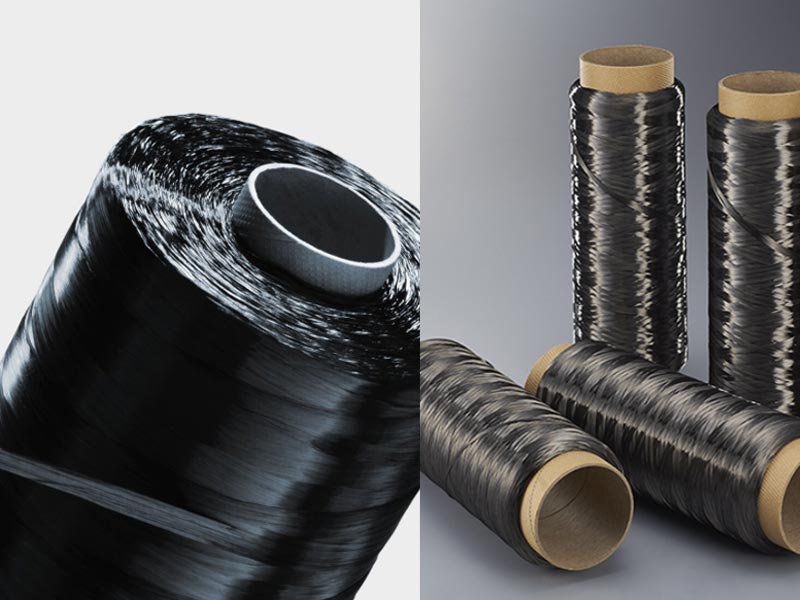
What PAN and Pitch Carbon Fibers Are? PAN and pitch carbon fibers come from different precursor chemistries that shape their internal structure and end use. PAN and Pitch Precursor Materials PAN fiber originates from polyacrylonitrile, a polymer chain that carbonizes into a fine, disordered carbon structure. Pitch fiber comes from petroleum or coal tar pitch, a heavier aromatic feedstock. The

Read More »
Carbon Fiber vs G10

Carbon Fiber vs G10

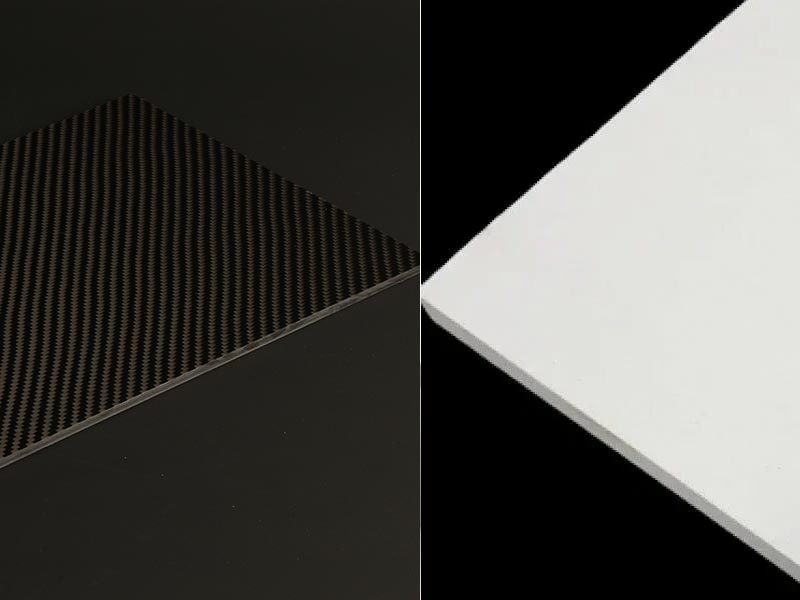
What Are Carbon Fiber and G10? Carbon fiber and G10 are reinforced composite materials built from fiber layers bonded within a cured resin system. Carbon Fiber Composite Structure Carbon fiber composite consists of woven or unidirectional carbon fiber fabric bonded with epoxy resin under controlled pressure. The cured laminate forms a rigid, anisotropic structure where strength depends on fiber direction.

Read More »
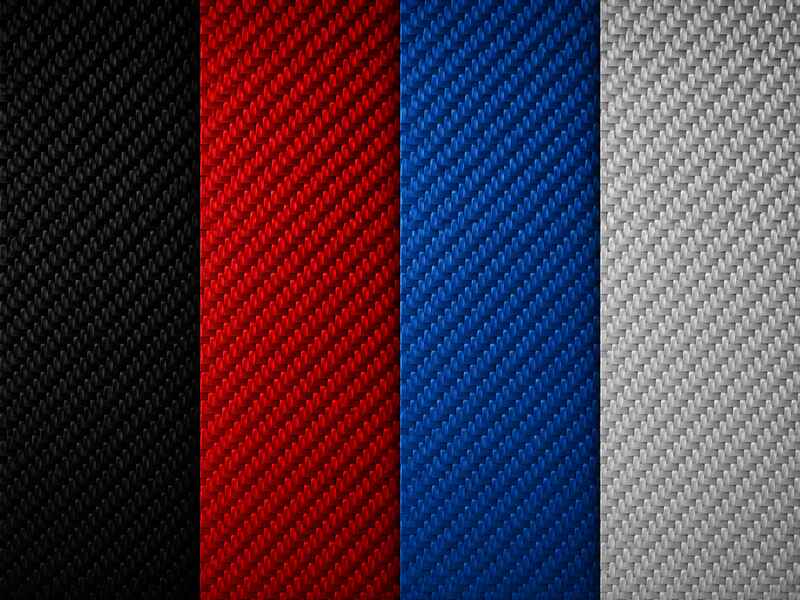
Custom carbon fiber sheet color options including black, red, blue, silver, and custom colors

Carbon Fiber Color

Conventional carbon fiber reinforcement usually appears black or dark gray depending on grade and finish. Standard carbon filaments typically show a black or charcoal shade formed during fiber production. Slight tonal differences can appear between fiber grades, sizing types, and fabric tightness. Why Carbon Fiber Looks Black? The dark appearance comes from the carbon-rich structure formed during fiber processing. Carbonization

Read More »
Many Carbon Fiber Tubes

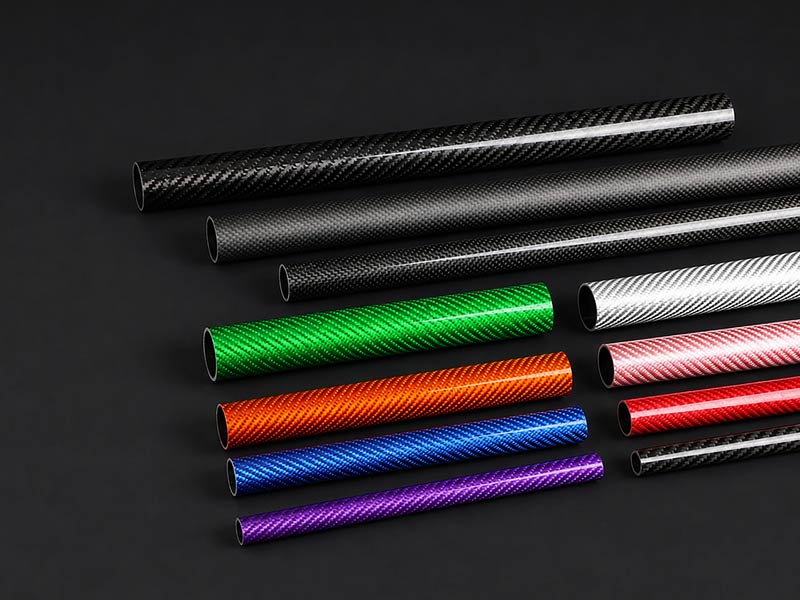
How Colored Carbon Fiber Is Made?

Colored carbon fiber describes a composite product where visible color comes from a source beyond the black reinforcement. Carbon fiber refers to the black reinforcement filament itself, while a colored composite includes resin, coatings, or hybrid yarns. The finished part is a CFRP laminate, not a single dyed material. Where the Visible Color Comes From? Visible color usually originates from

Read More »
Carbon Fiber vs Titanium

Carbon Fiber vs Titanium

What Are Carbon Fiber and Titanium? Carbon fiber and titanium serve structural roles but differ fundamentally in composition, processing, and mechanical behavior. Carbon Fiber Composite Structure Carbon fiber composite consists of reinforcement fiber embedded in a resin matrix, forming an anisotropic laminate. Fiber orientation, resin content, and fiber volume fraction govern stiffness, weight, and load direction response. A 60% fiber

Read More »
carbon fiber grades and tow sizes

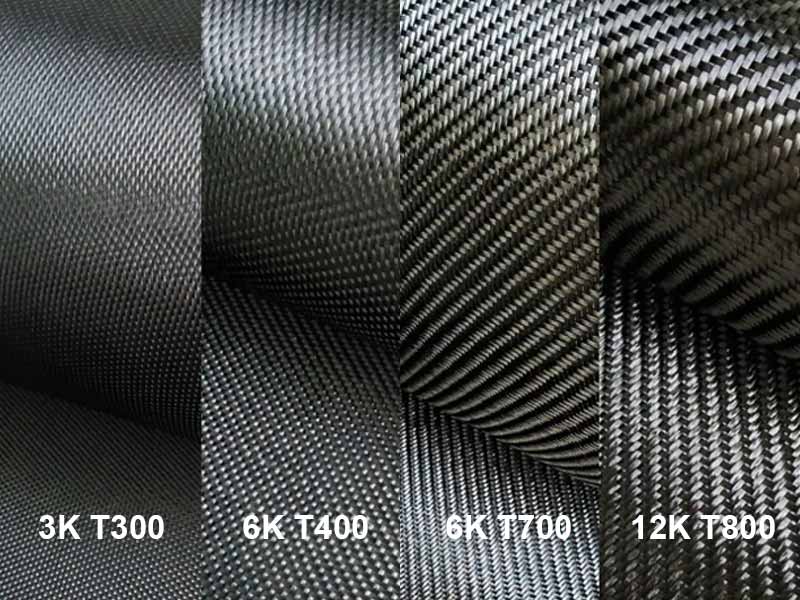
T700 vs T1000 Carbon Fiber

T700 and T1000 identify Toray carbon fiber grade families used across industrial and aerospace composite manufacturing. Both are PAN-based fibers, but they occupy different positions on the strength and modulus spectrum. T700S is a standard-modulus, high-strength fiber widely used in general industrial composites. T700G and T1000G represent later product variants with refined filament consistency and processing behavior. PAN-Based Carbon Fiber

Read More »

1×1 vs 2×2 Carbon Fiber Weave

Weave geometry describes how carbon fiber tows interlace during fabric production. The pattern affects fabric handling, forming behavior, and surface appearance before resin impregnation and curing begin. A 1×1 plain weave alternates each tow over and under one crossing tow. This frequent interlacing produces a stable, low-distortion fabric with a uniform checkerboard surface pattern. A 2×2 twill weave passes each

Read More »
RFQ

Need a Material Quote?

Get pricing for carbon fiber sheets, tubes, rods, or custom parts based on your project needs.

Request a Custom Quote

Upload your drawing, quantity, and any additional requirements. We’ll send you a quote by email.

Get a Formal Quote

Share your contact details and requirements. We’ll send a formal quotation by email.