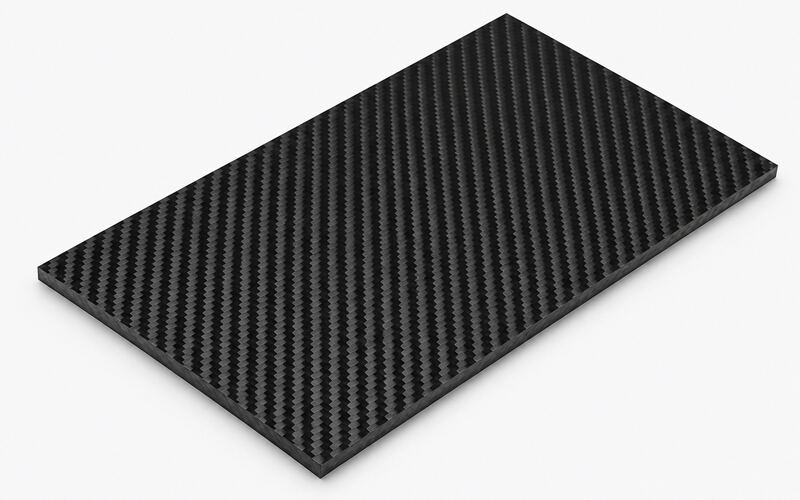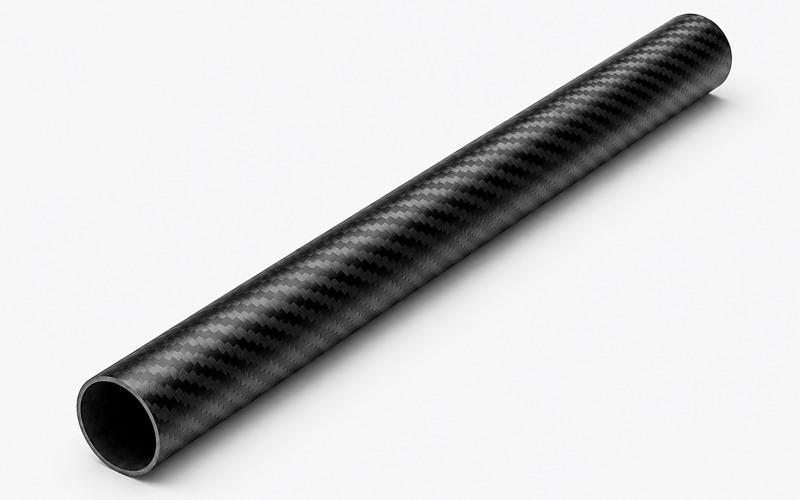
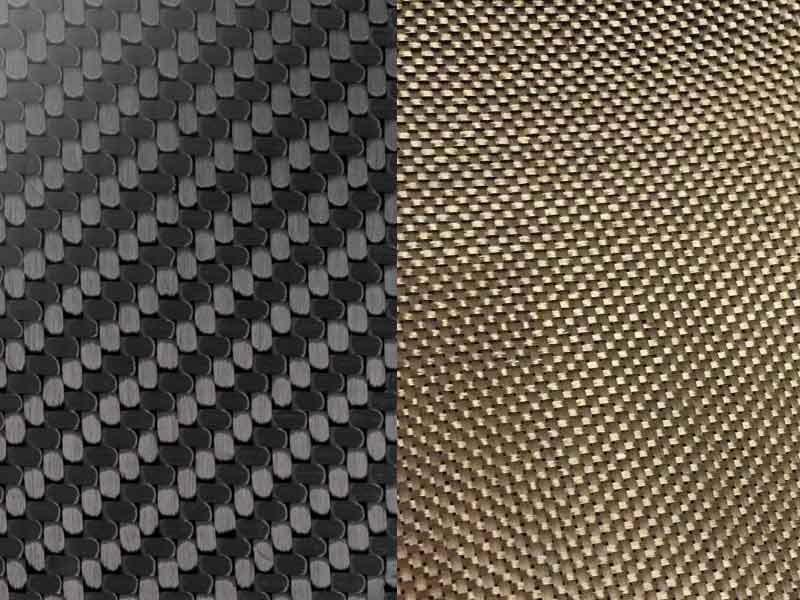
Basalt fiber and carbon fiber are continuous reinforcement materials used to increase the strength and stiffness of composite parts. Both work with epoxy, vinyl ester, and polyester resins, but their density, modulus, impact behavior, conductivity, temperature resistance, and cost differ significantly.
Carbon fiber is generally selected for lightweight parts that require high structural stiffness. Basalt fiber suits cost-sensitive components that need impact tolerance, electrical insulation, chemical resistance, or exposure to elevated temperatures.
What Are Basalt Fiber and Carbon Fiber
Basalt fiber and carbon fiber come from different raw materials and develop different internal structures during production. These differences control how each reinforcement behaves inside a composite laminate.
How Basalt Fiber Is Made
Basalt fiber is produced by melting crushed volcanic basalt rock and drawing the molten material through bushings to form continuous filaments. The process uses mineral feedstock rather than a synthetic polymer precursor.
The cooled filaments contain silicate minerals that provide chemical stability and temperature resistance. Their stiffness remains lower than that of most structural carbon fiber grades because the production process does not create the same highly aligned carbon structure.
How Carbon Fiber Is Made
Most commercial carbon fiber starts with a polyacrylonitrile precursor. The precursor passes through stabilization, carbonization, and surface treatment stages under tightly controlled temperature and atmospheric conditions.
Carbonization removes non-carbon elements and aligns carbon structures along the fiber axis. Higher processing temperatures can increase crystalline order and modulus, although fiber strength also depends on defect control and precursor quality.
Main Differences Between Basalt Fiber and Carbon Fiber
The main differences between basalt fiber and carbon fiber relate to weight, mechanical performance, temperature behavior, electrical properties, and total component cost.
| Property | Basalt Fiber | Carbon Fiber |
|---|---|---|
| Density and weight | Higher density produces a heavier laminate at the same fiber volume fraction. | Lower density supports lighter structural components. |
| Tensile strength | Provides moderate to high tensile strength for industrial and secondary structural parts. | Most structural grades provide higher tensile strength and specific strength. |
| Elastic modulus | Lower modulus produces greater deflection under bending or torsional loads. | Higher modulus produces greater rigidity with thinner laminate sections. |
| Impact behavior | Often shows more gradual damage through matrix cracking and fiber pull-out. | High stiffness but more brittle failure when overloaded. |
| Fatigue resistance | Suitable for moderate cyclic loading but may lose stiffness sooner. | Generally maintains stiffness more effectively under repeated loading. |
| Temperature resistance | Mineral filaments tolerate elevated temperatures well, subject to resin limitations. | Stable across a broad temperature range but can oxidize at elevated temperatures in air. |
| Electrical behavior | Electrically insulating. | Electrically conductive and may create galvanic corrosion near some metals. |
| Raw material cost | Usually lower due to simpler feedstock and processing. | Higher due to precursor cost and multi-stage thermal processing. |
| Typical selection priority | Cost, impact tolerance, insulation, chemical resistance, and temperature performance. | Low weight, high stiffness, strength, and dimensional stability. |
Mechanical Performance
Mechanical performance depends on fiber grade, laminate orientation, fiber volume fraction, resin system, cure quality, and loading direction. Comparing fiber values alone does not fully predict the behavior of a finished composite component.
Tensile and Compressive Strength
Carbon fiber generally provides higher tensile strength than basalt fiber across structural grades. Its high specific strength supports lightweight components that carry substantial axial loads.
Carbon laminates also tend to provide stronger compressive performance when the layup, resin, and fiber alignment are properly controlled. Basalt fiber remains suitable for moderate-load structures where extreme weight reduction is not required.
Elastic Modulus and Rigidity
Elastic modulus is one of the largest performance differences between the two fibers. Carbon fiber creates stiffer beams, panels, tubes, and shells under bending or torsional loads.
Basalt fiber laminates deflect more under the same load and section geometry. A basalt component may require a thicker wall or additional reinforcement to meet the deflection limit of a thinner carbon fiber part.
Impact Behavior and Failure
Basalt fiber composites often absorb impact energy through progressive matrix cracking, interfacial separation, and fiber pull-out. This behavior can produce more visible damage before complete failure.
Carbon fiber laminates resist deformation but may fracture abruptly after their strain limit is exceeded. Resin toughness, weave style, stacking sequence, and local reinforcement strongly influence the final impact response.
Fatigue Performance
Carbon fiber generally shows strong fatigue performance under repeated cyclic loading because its high modulus limits strain within the laminate. Well-designed carbon structures can retain stiffness over many loading cycles.
Basalt fiber may experience earlier stiffness reduction under equivalent cyclic stress. In both materials, voids, poor wet-out, weak fiber-resin bonding, and machining damage can accelerate fatigue cracking.
Thermal and Environmental Performance
Temperature, moisture, chemical exposure, and contact with metal components can affect long-term composite performance. The resin matrix often controls the practical service limit before the reinforcement fiber reaches its own temperature threshold.
Service Temperature
Basalt fiber retains useful properties at elevated temperatures because of its mineral composition. It does not burn and provides strong resistance to direct heat exposure, although the surrounding resin may soften or degrade first.
Carbon fiber also remains thermally stable under many service conditions. At high temperatures in open air, however, oxidation can gradually consume the carbon reinforcement. High-temperature applications require a suitable matrix and protective design.
Thermal Expansion
Carbon fiber has very low thermal expansion along the fiber direction. Some carbon grades can show near-zero or slightly negative longitudinal expansion, supporting dimensional stability in precision structures.
Basalt fiber expands more with temperature changes. Designers must consider this difference when the composite connects to metals, adhesives, coatings, or other materials with different expansion rates.
Chemical and Corrosion Resistance
Basalt fiber resists many industrial chemicals and does not corrode like steel reinforcement. Its nonconductive structure also avoids galvanic interaction with nearby metals.
Carbon fiber resists many chemical environments, but direct contact with aluminum or other susceptible metals can create a galvanic corrosion cell in the presence of an electrolyte. Isolation films, coatings, adhesives, or glass-fiber barrier plies can separate the materials.
Moisture and Durability
Both fibers absorb little moisture compared with many organic reinforcement materials. Moisture-related performance loss usually begins in the resin, fiber-sizing layer, or fiber-resin interface rather than inside the reinforcement itself.
Proper curing, low void content, sealed edges, and compatible coatings reduce moisture ingress. Long-term durability should be evaluated using the complete laminate system rather than the fiber alone.
Composite Manufacturing
Basalt fiber and carbon fiber can use many of the same composite manufacturing processes. Differences in filament brittleness, product availability, surface treatment, and material price affect handling and process control.
| Manufacturing Factor | Basalt Fiber | Carbon Fiber |
|---|---|---|
| Compatible resins | Works with epoxy, vinyl ester, polyester, and selected thermoplastic systems. | Commonly paired with structural epoxy but also works with other thermoset and thermoplastic matrices. |
| Available forms | Commonly supplied as roving, chopped fiber, woven fabric, mesh, and selected unidirectional products. | Widely available as woven fabric, unidirectional tape, tow, prepreg, braided sleeve, and chopped compounds. |
| Hand and vacuum layup | Suitable for conventional wet layup and vacuum-assisted processing. | Suitable for wet layup, vacuum infusion, and prepreg processing with close resin control. |
| Pultrusion | Used for rods, profiles, reinforcement bars, and structural sections. | Used for lightweight rods, tubes, beams, and high-stiffness profiles. |
| Filament winding | Good handling tolerance for pipes, tanks, and cylindrical parts. | Requires controlled tow tension to prevent filament damage and maintain placement accuracy. |
| Prepreg availability | Less widely available and used mainly for selected applications. | Widely used where precise resin content and laminate quality are required. |
| Machining | Abrasive to cutting tools and produces mineral-fiber dust. | Cutting carbon fiber requires sharp or diamond-coated tools to reduce delamination and fiber pull-out. |
| Process cost | Lower material cost supports larger or less performance-critical parts. | Higher material value increases the importance of scrap control and process repeatability. |
Basalt Fiber vs Carbon Fiber Cost
Cost comparison must include raw fiber, fabric conversion, resin, labor, tooling, curing, machining, inspection, and rejected material. Comparing fiber prices per kilogram alone can produce an inaccurate component-level conclusion.
Raw Fiber and Fabric Cost
Basalt fiber generally costs less than carbon fiber because its production uses melted mineral feedstock and fewer thermal conversion stages. Fabric weight, weave type, surface treatment, order volume, and supplier location still affect the final price.
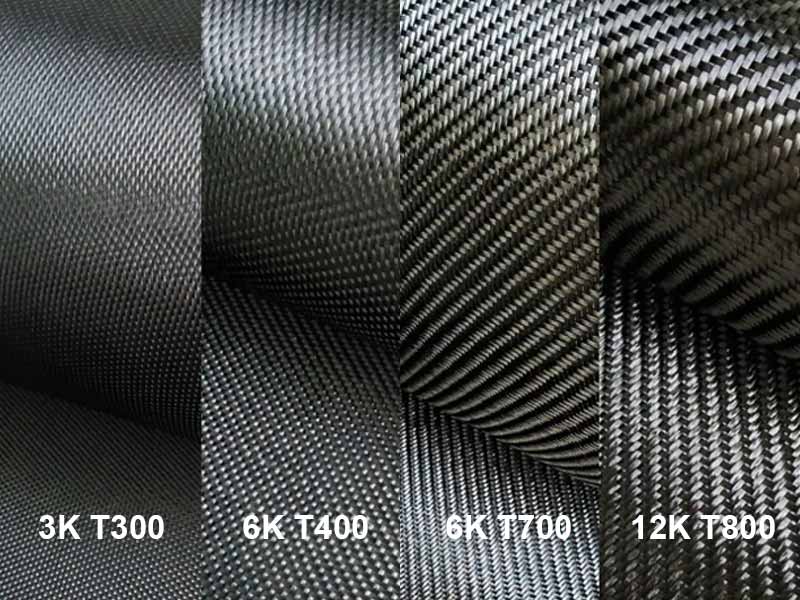
Carbon fiber pricing varies widely by tow size, tensile grade, modulus, surface treatment, and product form. High-modulus fibers and aerospace-qualified prepregs cost more than general-purpose industrial grades.
Processing and Tooling Cost
Both materials can use similar molds and curing equipment for wet layup, vacuum infusion, pultrusion, and filament winding. Carbon fiber production may require tighter material storage, handling, tension control, and cure documentation.
Basalt fiber can reduce raw material expense, but a thicker laminate may be required to match a carbon fiber stiffness target. Additional material, resin, labor, and component weight can offset part of the initial saving.
Finished Component Cost
Carbon fiber components usually cost more when both materials use similar geometry and manufacturing routes. The higher price may be justified when lower weight, reduced deflection, dimensional stability, or smaller cross sections create measurable system-level value.
Basalt fiber provides stronger cost efficiency when moderate stiffness is acceptable. It is particularly competitive in large structures where material volume matters more than minimum weight.
Material Selection
The correct reinforcement depends on structural loads, allowable deflection, environmental exposure, electrical requirements, manufacturing method, weight target, and total project cost.
When to Choose Basalt Fiber
Basalt fiber is a practical choice when the design requires:
- Moderate strength without extreme structural stiffness
- Lower raw material cost for large components
- Improved impact tolerance and progressive damage behavior
- Electrical insulation near wiring or electronic equipment
- Resistance to heat, moisture, and industrial chemicals
- Nonconductive reinforcement near susceptible metals
- Infrastructure, industrial, marine, or thermal applications
When to Choose Carbon Fiber
Carbon fiber is more suitable when the design prioritizes:
- High stiffness with low component weight
- High tensile strength and specific strength
- Thin walls or compact structural sections
- Low deflection under bending and torsional loads
- Dimensional stability during temperature changes
- Strong fatigue performance under repeated loading
- Aerospace, motorsport, robotics, sporting, and precision applications
Basalt and Carbon Hybrid Laminates
Hybrid laminates combine basalt and carbon fiber layers to balance stiffness, impact tolerance, weight, and cost. Carbon layers can carry primary structural loads, while basalt layers can improve damage progression, surface protection, or electrical isolation.
Layer position and fiber orientation determine how effectively the materials share loads. Poor sequencing may create interlaminar stress or place the more brittle carbon layers in vulnerable impact zones. Hybrid designs should therefore be tested as a complete laminate rather than estimated from individual fiber properties.
FAQ
Is Basalt Fiber as Strong as Carbon Fiber?
Basalt fiber generally has lower tensile strength and elastic modulus than structural carbon fiber. It can support moderate-load components but normally cannot match carbon fiber in high-stiffness, weight-sensitive structures.
Is Basalt Fiber Cheaper Than Carbon Fiber?
Basalt fiber usually costs less per kilogram because its mineral feedstock and production process are less complex. Finished component cost still depends on laminate thickness, resin use, labor, tooling, and performance requirements.
Can Basalt Fiber Replace Carbon Fiber?
Basalt fiber can replace carbon fiber in some cost-sensitive or moderate-load applications. It is less suitable when the design depends on maximum stiffness, minimum weight, thin walls, or very low thermal expansion.
Which Fiber Has Better Heat Resistance?
Basalt fiber performs well under direct heat and elevated-temperature exposure. Carbon fiber also tolerates heat but can oxidize at high temperatures in air. In most polymer composites, the resin system limits service temperature before either fiber reaches its full thermal capability.
Which Fiber Is Better for Impact Resistance?
Basalt fiber composites often show more gradual damage and stronger energy absorption during impact. Carbon fiber provides greater rigidity but can fracture more abruptly after its strain limit is exceeded.
Can Basalt and Carbon Fiber Be Used Together?
Basalt and carbon fiber can be combined in hybrid laminates. The combination can reduce cost, improve impact behavior, and retain part of carbon fiber’s structural stiffness when the stacking sequence is properly designed.