How to Cut Carbon Fiber Cleanly?
Clean carbon fiber cutting depends on tool choice, laminate support, dust control, and controlled heat generation.
Cutting Sheets, Tubes, Rods, and Fabric
Different carbon fiber forms need different cutting control:
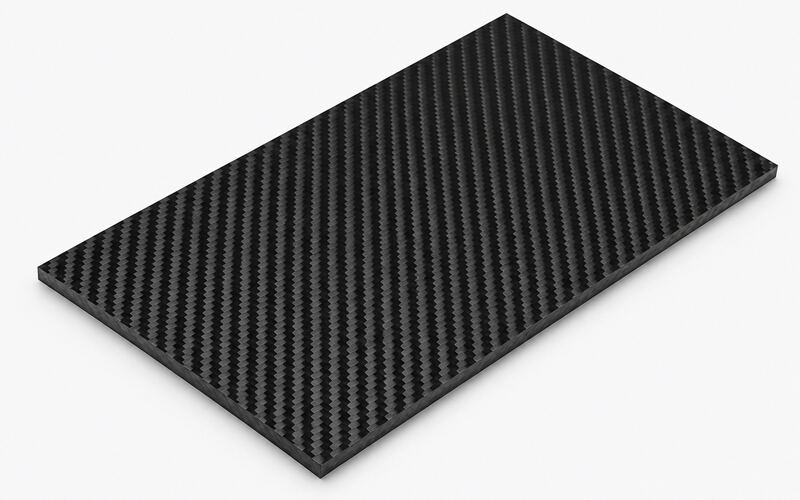
- Carbon fiber sheets need firm backing because unsupported laminate edges can chip during tool exit.
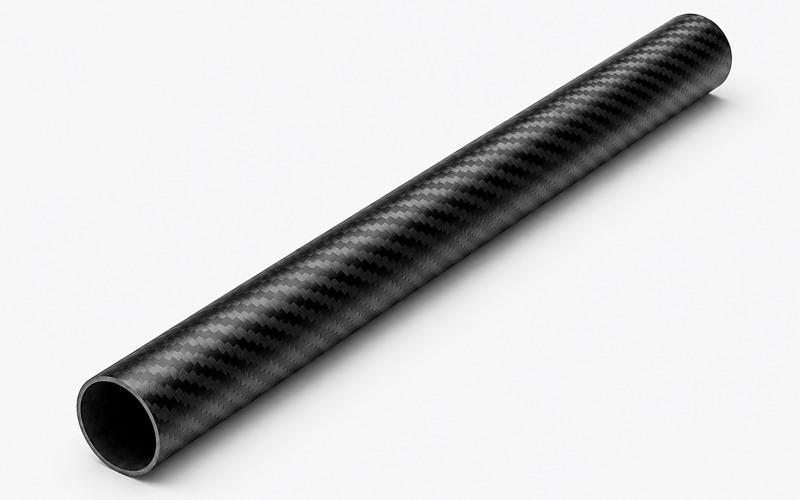
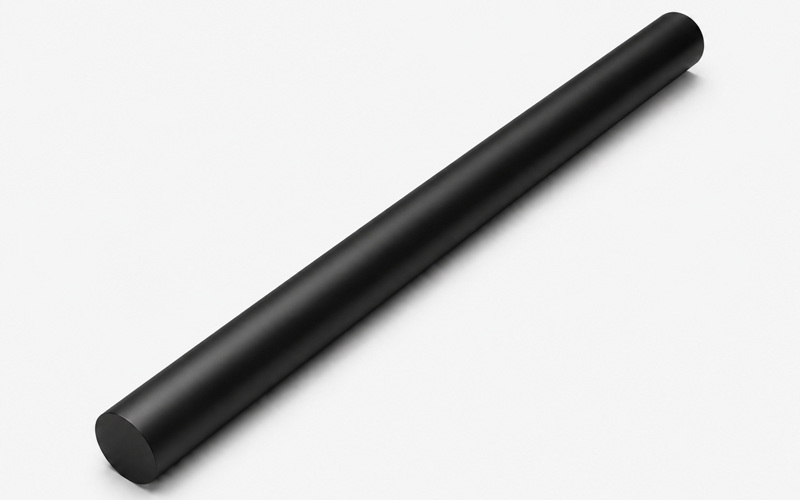
- Tubes and rods require rotational support so the blade loads the wall evenly.
- Fabric and prepreg need shear cutting, drag knives, or ultrasonic knives to prevent tow distortion.
- Masking, sharp abrasive edges, and steady feed reduce surface breakout on visible faces.
Thickness, Fiber Direction, and Resin Effects
Thick laminates need slower cutting because heat builds inside the resin matrix. Excess heat can soften epoxy, smear the edge, and weaken local interlaminar bonding.
Fiber direction changes cutting resistance because tools meet continuous carbon filaments at different angles. Cutting across dominant fibers can cause splintering when clamping is weak.
Brittle resin systems chip more easily than tougher matrices. Control feed pressure and tool sharpness to keep cracks from spreading into the laminate.
Carbon Fiber Cutting Tools
Tool selection depends on part form, required accuracy, edge finish, dust control, and available workholding.
Hacksaw and Coping Saw
A hacksaw can cut carbon fiber tube, rod, or small sheet when production volume is low. Use a fine abrasive or carbide-grit blade instead of a coarse toothed blade.
Clamp the part close to the cut to reduce vibration and fiber lifting. Slow strokes limit heat, but uneven pressure can create angled cuts and ragged edges.
Rotary Tool and Dremel
A rotary tool cuts small openings, trim lines, and light contour work in cured CFRP components. Use reinforced abrasive wheels or diamond wheels to abrade fibers instead of tearing them.
Keep the tool moving because stationary contact burns the resin and dulls the wheel. Vacuum extraction near the cut is important because rotary tools release fine conductive dust.
Angle Grinder
An angle grinder removes material quickly, so it suits rough trimming rather than precision fitting. A diamond or abrasive cutoff wheel gives cleaner results than a metal cutting disc.
The tool must be guided carefully because lateral pressure can delaminate unsupported edges. Use light passes, stable clamping, and dust capture to limit heat and airborne particles.
Jigsaw
A jigsaw can cut carbon fiber sheet, but blade selection and support are critical. Down-cut or abrasive blades reduce top-surface chipping when the laminate is backed tightly.
High vibration can start matrix cracks around tight curves. Use modest feed, a sacrificial support panel, and relief cuts when changing direction.
Wet Tile Saw
A wet tile saw uses a diamond blade and water flow to reduce dust and heat. It works well for straight cuts on flat carbon fiber plates.
Water limits airborne dust, but slurry must be contained because carbon particles remain conductive. Dry the part after cutting to prevent water from entering unsealed edges or core materials.
Precision Carbon Fiber Cutting
Precision cutting needs controlled motion, suitable abrasive tooling, stable fixturing, and inspection of the finished edge.
CNC Router Cutting
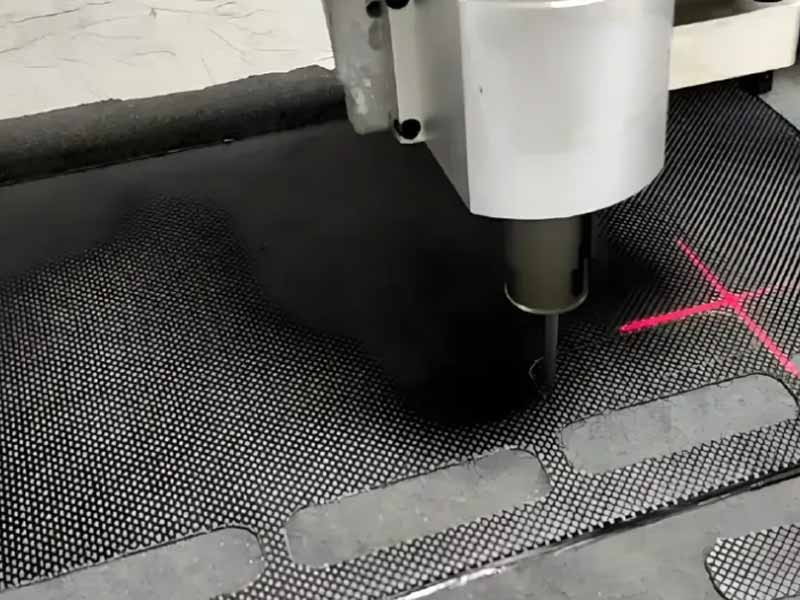
CNC router cutting is common for flat panels, cured laminates, and nested production parts. It controls tool path, feed, and depth more consistently than manual cutting.
Set the machining tolerance at 0.2 mm to control fit and reduce post-trim sanding. This tolerance supports assembly alignment when panels mate with inserts, frames, or bonded edges.
Vacuum hold-down, tabs, or mechanical fixtures must prevent laminate lift during tool exit. Poor hold-down causes chatter, chipped corners, and dimensional drift.
Diamond and PCD Tools
Diamond-coated and PCD tools resist abrasion from carbon filaments better than standard carbide tools. They keep edges sharper for longer production runs and reduce fiber pullout.
Tool geometry should support shearing without wedging the laminate apart. Dull tools raise cutting forces, heat the resin, and leave fuzzy edges.
Use dedicated composite tooling to avoid metal contamination and inconsistent wear. Inspect cutting edges before critical parts because small chips can mark every repeated cut.
Waterjet Cutting
Waterjet cutting cuts complex profiles without tool wear from carbon fiber abrasion. It also avoids thermal damage because material removal is mechanical and water-cooled.
The process needs careful support under the laminate to prevent splash-back and edge erosion. Abrasive selection and traverse speed control taper, kerf width, and surface roughness.
Sealed laminates tolerate waterjet processing better than porous or cored parts. Drying and edge sealing may be needed before bonding or electrical assembly.
Laser Cutting Limits
Laser cutting is limited for cured carbon fiber composites because carbon absorbs heat strongly. The resin can char before fibers separate cleanly.
Thermal damage may reduce edge strength and interfere with adhesive bonding. Fumes also require extraction because heated resin releases decomposition products.
Laser systems may suit thin dry fabrics when edge sealing is not critical. For structural CFRP, mechanical or waterjet cutting usually gives safer edge integrity.
Workholding and Kerf Control
Workholding and kerf control affect movement, vibration, laminate peel, and final dimensional accuracy.
- Fixtures should support the part near both sides of the intended kerf.
- Kerf allowance must be included in the tool path or layout line.
- Sacrificial boards, vacuum tables, and clamps all change edge behavior.
- The chosen method should avoid crushing thin walls or imprinting cosmetic surfaces.
Ignoring kerf can make holes undersized, slots narrow, and mating edges misaligned.
Carbon Fiber Cutting Quality
Cutting quality depends on reinforcement form, weave stability, tow behavior, laminate stack, and resin response.
Dry Fabric and Prepreg Cutting
Dry carbon fiber fabric is cut before resin infusion, RTM, or hand layup. The main risk is fiber tow displacement, which changes local stiffness and appearance.
Use sharp shears, drag knives, or ultrasonic cutters to preserve fabric geometry. Apply light restraint so the fabric stays flat without stretching the weave.
Prepreg cutting adds tack, backing film, and temperature sensitivity to the process. Keep release film controlled because wrinkles can transfer into the layup.
Weave Type and Edge Quality
Plain weave holds fibers more tightly, so it often frays less during manual cutting. Twill weave drapes better, but exposed edges may distort if handling is rough.
Unidirectional tapes need extra support because fibers run continuously along one direction. Cutting across those fibers can lift bundles if the blade is dull.
Edge quality affects bonding because loose fibers reduce adhesive contact. Seal, sand, or trim again when fraying changes the designed edge profile.
Tow Size and Ply Schedule
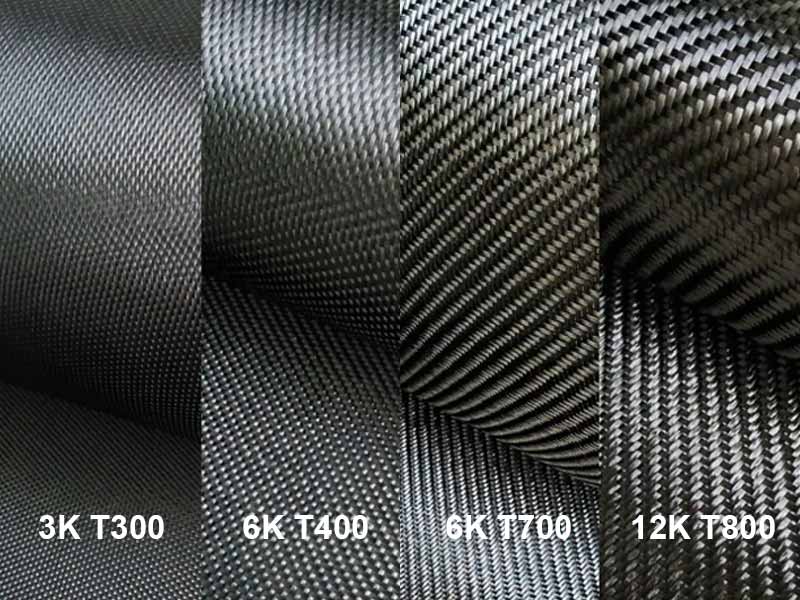
Smaller tow fabrics generally show finer edges and less visible fray after trimming. Larger tow fabrics may cut faster but can leave coarser bundle ends.
The ply schedule controls how fibers exit the edge through the laminate thickness. Alternating directions can reduce long splinters but may expose more short fiber ends.
Cut planning should follow the laminate drawing, not only the visible surface weave. Hidden plies can dominate strength around slots, holes, and attachment features.
Resin Heat Sensitivity
Epoxy, vinyl ester, and thermoplastic matrices respond differently to cutting heat. Heat-sensitive resin may soften, smear, or discolor before fibers are fully severed.
Control heat through sharp tooling, lighter passes, coolant, or wet cutting when compatible. Overheated resin can reduce bond quality and hide matrix cracks near the edge.
After cutting, inspect for gloss changes, burnt odor, or smeared dust. These signs indicate that process settings should be reduced or tooling replaced.
Cutting Preparation and Dust Control
Preparation prevents edge defects, protects operators, and reduces rework before machining or manual trimming begins.
Carbon Fiber Dust Safety
Carbon fiber dust is abrasive, respirable, and electrically conductive. It can irritate skin and damage electrical equipment if extraction is poor.
- Use local vacuum extraction to capture dust close to the cutting area.
- Wear protective clothing, eye protection, and a suitable respirator.
- Keep dust away from motors, control cabinets, and open connectors.
- Clean with vacuum methods rather than compressed air.
Blowing dust spreads conductive particles and contaminates bonding surfaces.
Masking and Cut Line Layout
Masking tape supports surface fibers and makes the cut line easier to see. It also helps reduce cosmetic chipping on visible laminate faces.
Lay out the line from the engineering datum, not from a rough molded edge. Mold flash and trimmed edges can drift from the designed geometry.
Mark both entry and exit faces when accuracy matters. This helps detect blade wander and misalignment before material is removed.
Vacuum and Wet Cutting Control
Vacuum cutting captures dry dust at the source and keeps the work area cleaner. The nozzle should stay close to the kerf without disturbing the tool.
Wet cutting suppresses airborne dust and cools the cut, but it creates contaminated slurry. Collect slurry carefully because carbon particles can conduct electricity after drying.
Choose wet methods only when the laminate, core, and downstream bonding process allow moisture exposure. Dry and seal edges before sensitive assembly steps.
Backing Material for Clean Edges
Backing material supports the underside of carbon fiber sheet during blade exit. This reduces breakout when fibers lose support near the kerf.
Use sacrificial composite board, MDF, or dense plastic under flat panels. The backing should sit flush so vibration cannot hammer the laminate edge.
For curved parts, shaped supports or soft jaws distribute clamping pressure. Poor support can crush thin skins and create hidden delamination.
Cutting Tubes, Rods, and Holes
Round carbon fiber forms need special support because wall pressure, rotation, and drilling forces can split the laminate.
Tube Cut Lines and Fixtures
Tube cutting should follow a controlled sequence:
- Mark the cut line around the full circumference to avoid a spiral edge.
- Use a wraparound guide to align the line on round surfaces.
- Hold the tube square with a V-block, tube cradle, or rotary fixture.
- Rotate the tube gently when using manual abrasive cutting.
- Inspect the wall length and edge quality after cutting.
Unsupported tubes vibrate, which causes splintering and uneven wall length.
Mandrels and Internal Support
A mandrel supports thin tube walls against inward cutting pressure. It is especially useful when the tube has a cosmetic outer surface.
The mandrel should match the internal shape closely without forcing the laminate outward. Excessive fit pressure can create hoop stress before cutting begins.
Internal support also helps drilling and slotting near tube ends. Without support, the tool can break the inner plies as it exits.
Rod Support During Cutting
Carbon fiber rods can split longitudinally if clamped with point pressure. Use soft jaws or grooved supports to spread the load.
Cut near the support, not at a long overhang. Overhang allows bending, blade chatter, and angled ends.
After cutting, inspect the rod end for fiber lifting. A quick edge seal can prevent moisture ingress and handling damage.
Pilot Holes and Relief Cuts
Pilot holes guide larger drills, hole saws, or rotary tools through carbon fiber laminates. They reduce wandering and help protect the entry surface.
Backing material under the exit side limits breakout during through-holes. Clamp pressure should hold the panel flat without imprinting the surface.
Relief cuts help when trimming internal corners or tight profiles. They prevent the tool from forcing fibers sideways and cracking the matrix.
Slots, Corners, and Fiber Direction
Slots concentrate stress because they interrupt continuous fibers across the laminate. Their ends should be shaped to avoid sharp crack starters.
Cut corners with controlled passes and avoid forcing the tool into the turn. Abrupt direction changes can lift plies along the dominant fiber direction.
When possible, place slots so load paths do not rely on severed fibers. This improves durability around brackets, fasteners, and bonded inserts.
Carbon Fiber Edge Finishing
Edge finishing removes cutting damage, improves handling safety, and prepares CFRP parts for bonding, coating, or assembly.
Deburring and Sanding
Deburring removes loose fibers, resin burrs, and small chips left by cutting. Use fine abrasive paper, diamond files, or abrasive pads with light pressure.
Sand along the edge rather than prying across exposed fibers. Aggressive sanding can undercut resin and leave unsupported filaments.
Keep dust extraction active during finishing because sanding creates fine particles. Clean the edge before inspection, bonding, or sealing.
Chamfering and Edge Radius
Chamfering removes sharp corners that can start delamination during handling. A small radius also reduces stress concentration at exposed laminate edges.
Use guided abrasive tools or controlled hand sanding for consistent geometry. Uneven chamfers can affect fit where panels meet housings or bonded joints.
Cosmetic parts need careful finishing because exposed fibers reflect light differently. Keep strokes uniform to avoid visible waves along the edge.
Epoxy Edge Sealing
Epoxy edge sealing locks exposed fibers and closes small surface pores. It is useful after cutting tubes, drilled holes, and trimmed laminate edges.
Apply a thin coat after dust removal and light abrasion. Excess resin can create fit problems or interfere with bonded assemblies.
Sealing reduces moisture ingress and handling fray at exposed edges. Cure the sealant according to the selected resin system before final installation.
Carbon Fiber Cutting Defects
Most cutting defects come from tool wear, poor support, excessive heat, or fiber movement during machining.
Delamination and Fraying
Delamination occurs when cutting forces separate plies instead of severing fibers cleanly. It often appears near tool exit, corners, or unsupported edges.
Fraying comes from loose tow ends and weak resin support at the cut boundary. Masking, backing, and sharper abrasive tools reduce both problems.
If delamination is visible, do not hide it with coating alone. Remove damaged material or rework the edge according to the part specification.
Heat Damage and Tool Wear
Heat damage appears as resin discoloration, smearing, odor, or glossy burn marks. It results from dull tooling, excessive dwell, or poor chip removal.
Tool wear raises cutting force because carbon fibers abrade cutting edges quickly. Worn tools push fibers aside and create larger damaged zones.
Replace or dress tools when feed pressure increases noticeably. Lower heat improves bond reliability and preserves laminate strength near the cut.
Fiber Pullout and Matrix Cracks
Fiber pullout happens when the tool grabs filaments instead of cutting them. It leaves a fuzzy edge and can reduce local bearing strength around holes.
Matrix cracks form when vibration or wedging stresses exceed resin toughness. These cracks may spread under fatigue or moisture exposure.
Control both defects with rigid fixturing, sharp abrasive tooling, and correct feed pressure. Inspect dark laminate carefully because cracks can hide in the weave.
Inspection and Measurement
Inspect cut carbon fiber parts for chips, fray, discoloration, and delamination before finishing. Visual checks should cover both faces and the exposed edge.
Measure critical profiles after dust removal because loose fibers can affect contact readings. Use the specified tolerance from the drawing for accept or rework decisions.
For structural CFRP components, record defects before sanding or sealing. Documentation helps link cutting settings to later testing or assembly performance.
FAQ
What is the Best Tool to Cut Carbon Fiber Sheet?
A CNC router, diamond wheel, or wet tile saw works well for carbon fiber sheet. The suitable tool depends on accuracy, dust control, and edge finish.
Can Carbon Fiber Be Cut With a Dremel?
Yes, a Dremel can cut small carbon fiber features. Use reinforced abrasive or diamond wheels and capture dust close to the kerf.
How Do You Cut Carbon Fiber Without Splintering?
Support the laminate, mask the cut line, and use sharp abrasive tooling. Avoid heavy feed pressure because it lifts fibers and starts delamination.
Should Carbon Fiber Be Cut Wet or Dry?
Wet cutting reduces dust and heat, but it creates conductive slurry. Dry cutting needs strong vacuum extraction and careful respiratory protection.
What Blade is Best for Cutting Carbon Fiber?
Diamond, carbide-grit, or PCD tooling usually cuts carbon fiber cleaner than toothed metal blades. The blade should abrade fibers without wedging plies apart.