RESOURCE CENTER

Carbon Fiber Material Blog

Expert guides, application insights, buying tips, and industry news to help you make better decisions about carbon fiber materials.

Latest Material Guides

Read practical articles about carbon fiber sheets, tubes, rods, applications, and material selection.

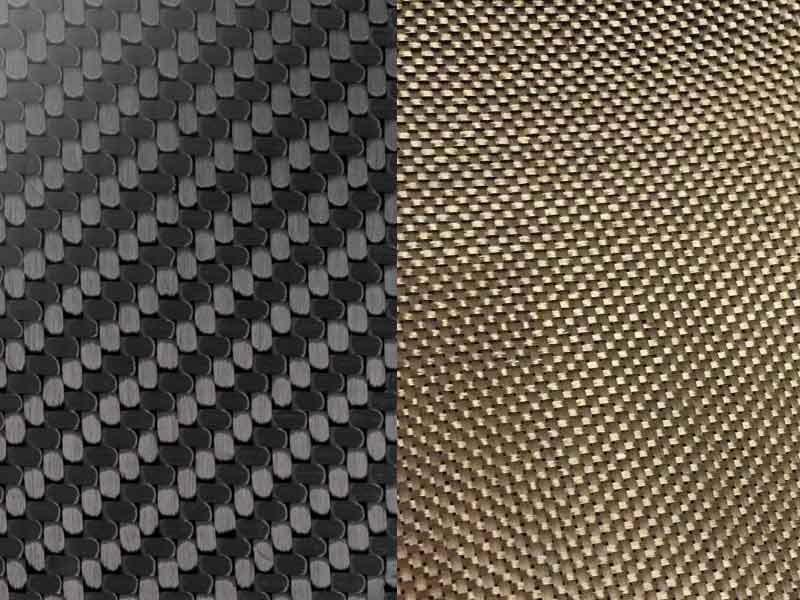
carbon fiber grades and tow sizes

3K vs 12K Carbon Fiber

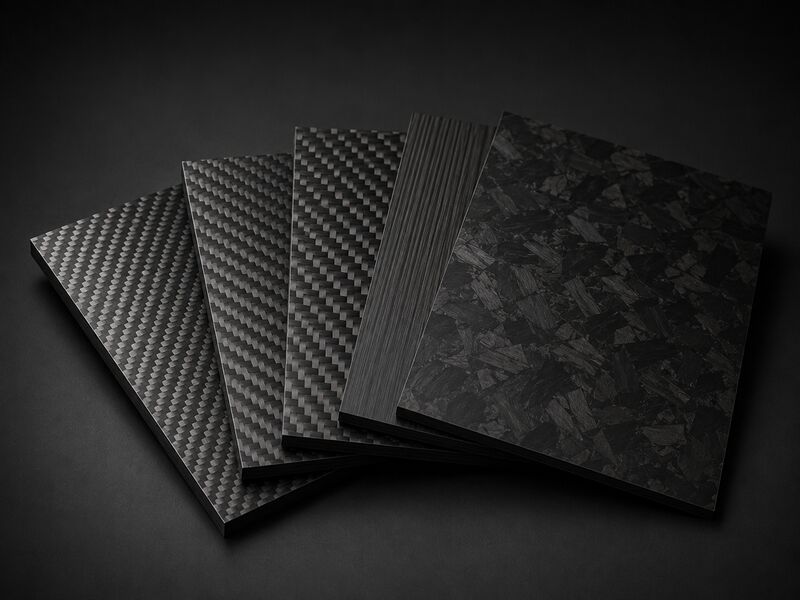
The designation 3K vs 12K carbon fiber refers to filament count within a single reinforcement tow, not fiber grade or strength class. A 3K tow contains approximately three thousand continuous carbon filaments bundled together. A 12K tow contains approximately twelve thousand filaments, giving it a noticeably larger cross-section. Differences Between 3K and 12K Tow size influences fabric scale, weight, handling
Read More »
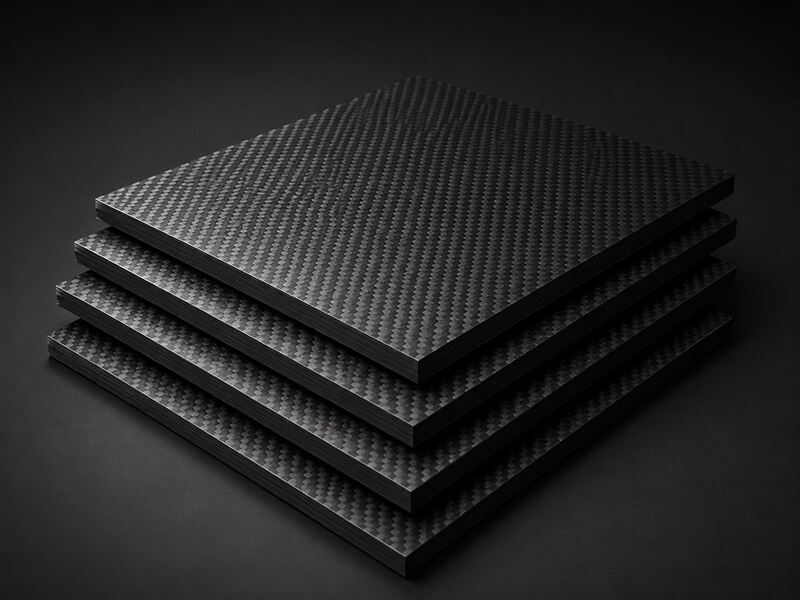
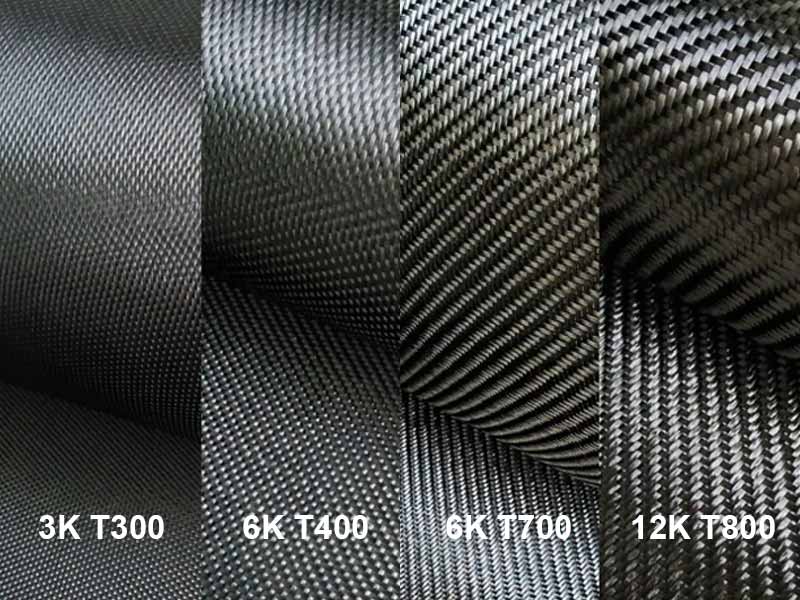
3K and T300 carbon fiber sheet materials with plain and twill weave surfaces

1K and 3K Carbon Fiber

1K carbon fiber contains approximately one thousand filaments per tow, while 3K contains approximately three thousand. This difference determines tow diameter, weave pattern scale, and how densely fibers pack within a woven fabric. A 1K tow is narrower and flatter, producing a fine, tightly interlaced weave with small repeat units. A 3K tow is wider and slightly thicker, yielding a

Read More »

T700 vs T800 Carbon Fiber

T700 and T800 are Toray carbon fiber grade families widely used in structural composite manufacturing. Both are polyacrylonitrile-based fibers positioned within standard and intermediate modulus classes for demanding CFRP laminates. T700 typically appears as T700S or T700G, while T800 includes T800S and T800H variants from Toray. Each variant carries slightly different sizing or filament count options for specific prepreg and

Read More »
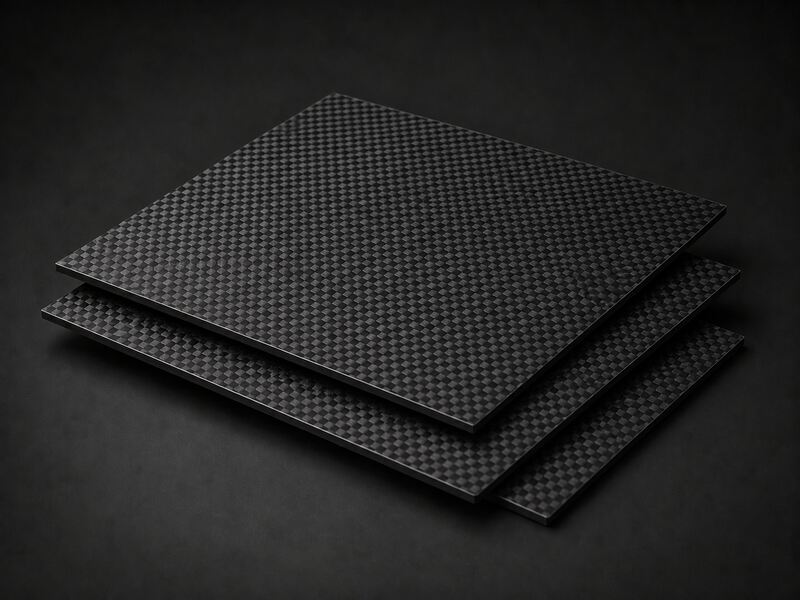
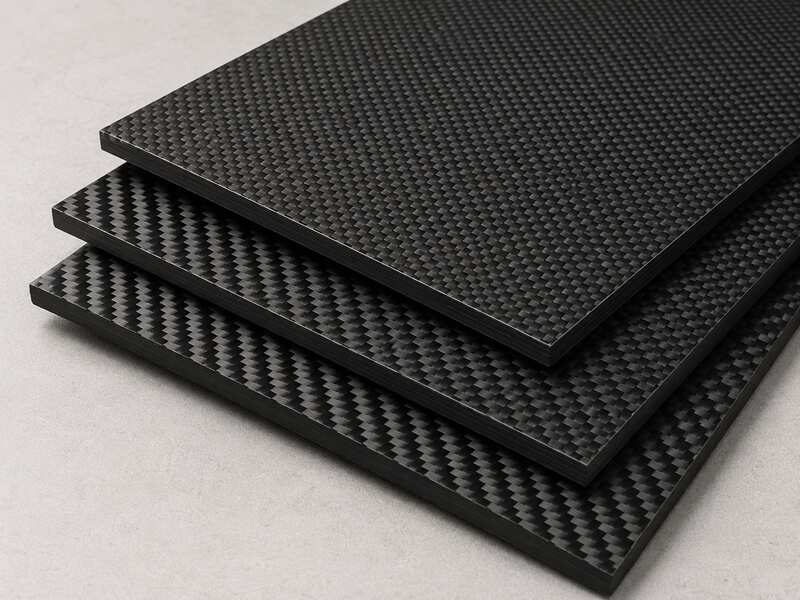
Carbon fiber panels for flat surfaces covers and enclosures

T300 vs T700 Carbon Fiber

T300 and T700 are widely used PAN-based carbon fiber grades for industrial, automotive, sporting, and structural composite parts. Both belong to the standard-modulus category, but T700 provides higher tensile strength and greater elongation before fracture. The better grade depends on structural load, laminate design, manufacturing method, cost target, and qualification requirements. Choosing T700 does not automatically produce a stiffer or

Read More »
Carbon fiber sheets in standard sizes and cut to size options

T800 vs T1000 Carbon Fiber

T800 and T1000 identify high-strength carbon fiber grade families used in demanding structural laminates. Both sit above T300 and T700 in tensile capability within common classification systems. Property Comparison Fiber-level mechanical values define the theoretical performance ceiling of each grade. Actual laminate results still depend on material configuration, manufacturing quality, and structural design. Property T800 T1000 Tensile Strength High tensile

Read More »
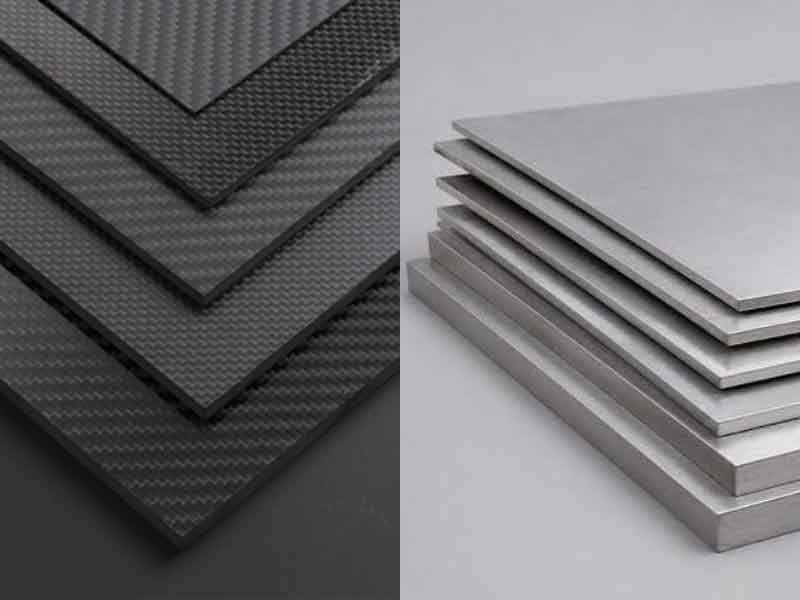
Magnesium vs Carbon Fiber

Magnesium vs Carbon Fiber

Magnesium alloys and carbon fiber composites are lightweight structural materials used to reduce mass without sacrificing mechanical performance. Magnesium offers isotropic metallic properties, excellent castability, and good thermal conductivity. Carbon fiber provides exceptional strength-to-weight ratio, high stiffness, and outstanding fatigue resistance through engineered fiber reinforcement. The better material depends on structural loading, manufacturing method, operating environment, production volume, and cost

Read More »
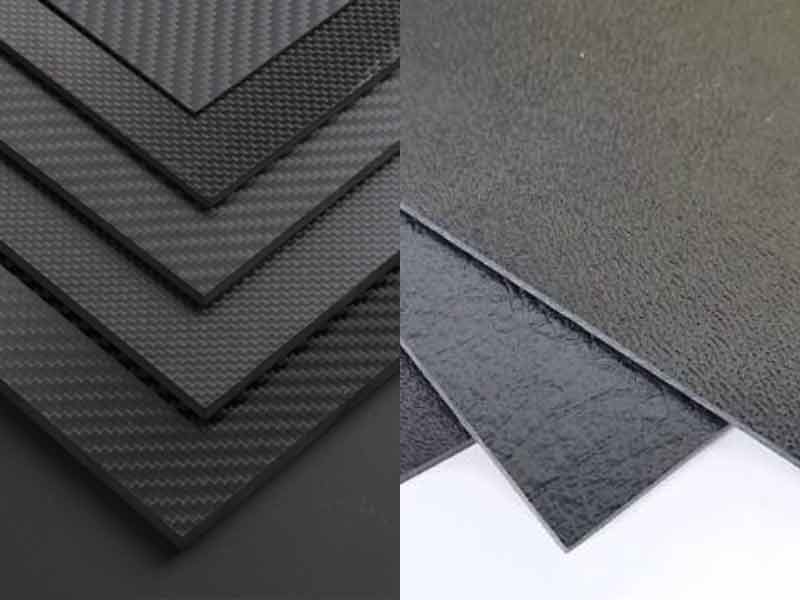
ABS vs Carbon Fiber

ABS vs Carbon Fiber

ABS and carbon fiber composites serve very different design priorities. ABS is a moldable thermoplastic suited to high-volume production, complex geometry, and ductile impact behavior. Carbon fiber composite uses oriented reinforcement to provide much higher stiffness, strength, fatigue resistance, and dimensional stability. What Are ABS and Carbon Fiber Composites? ABS and carbon fiber composites differ in internal structure, manufacturing method,

Read More »
Basalt Fiber vs Carbon Fiber

Basalt Fiber vs Carbon Fiber

Basalt fiber and carbon fiber are continuous reinforcement materials used to increase the strength and stiffness of composite parts. Both work with epoxy, vinyl ester, and polyester resins, but their density, modulus, impact behavior, conductivity, temperature resistance, and cost differ significantly. Carbon fiber is generally selected for lightweight parts that require high structural stiffness. Basalt fiber suits cost-sensitive components that

Read More »
Flax Fiber vs Carbon Fiber

Flax Fiber vs Carbon Fiber

Flax fiber and carbon fiber are lightweight reinforcements used in polymer composite structures. Flax comes from renewable plant material and provides natural vibration damping, gradual impact behavior, and lower material cost. Carbon fiber uses an engineered carbon structure to deliver substantially higher strength, stiffness, fatigue resistance, and dimensional stability. The correct reinforcement depends on structural loads, allowable deflection, moisture exposure,

Read More »
Matte Carbon Fiber vs Gloss​

Matte Carbon Fiber vs Gloss​

Matte and gloss carbon fiber describe differences in surface treatment rather than changes to the underlying composite structure. Gloss carbon fiber uses a smooth, reflective clear coat that returns more light from the surface. Matte carbon fiber uses a modified clear coat that scatters reflected light. The coating formulation, rather than the reinforcement fiber, creates the visual contrast. Matte vs

Read More »
RFQ

Need a Material Quote?

Get pricing for carbon fiber sheets, tubes, rods, or custom parts based on your project needs.

Request a Custom Quote

Upload your drawing, quantity, and any additional requirements. We’ll send you a quote by email.

Get a Formal Quote

Share your contact details and requirements. We’ll send a formal quotation by email.