RESOURCE CENTER

Carbon Fiber Material Blog

Expert guides, application insights, buying tips, and industry news to help you make better decisions about carbon fiber materials.

Latest Material Guides

Read practical articles about carbon fiber sheets, tubes, rods, applications, and material selection.

carbon fiber grades and tow sizes

3K vs 12K Carbon Fiber

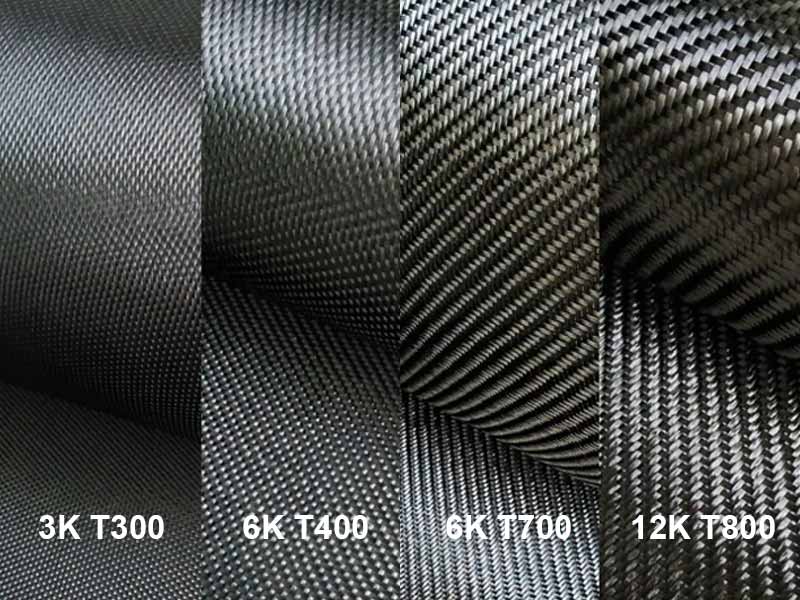
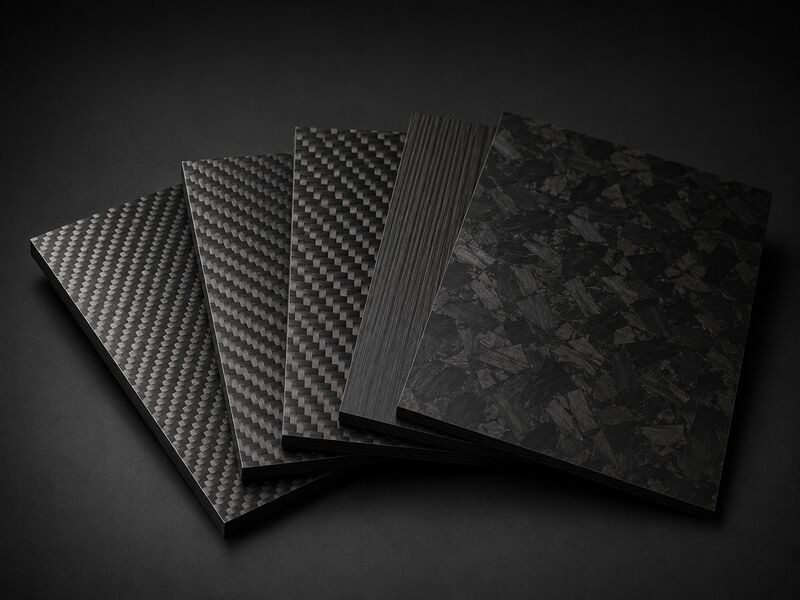
The designation 3K vs 12K carbon fiber refers to filament count within a single reinforcement tow, not fiber grade or strength class. A 3K tow contains approximately three thousand continuous carbon filaments bundled together. A 12K tow contains approximately twelve thousand filaments, giving it a noticeably larger cross-section. Differences Between 3K and 12K Tow size influences fabric scale, weight, handling
Read More »
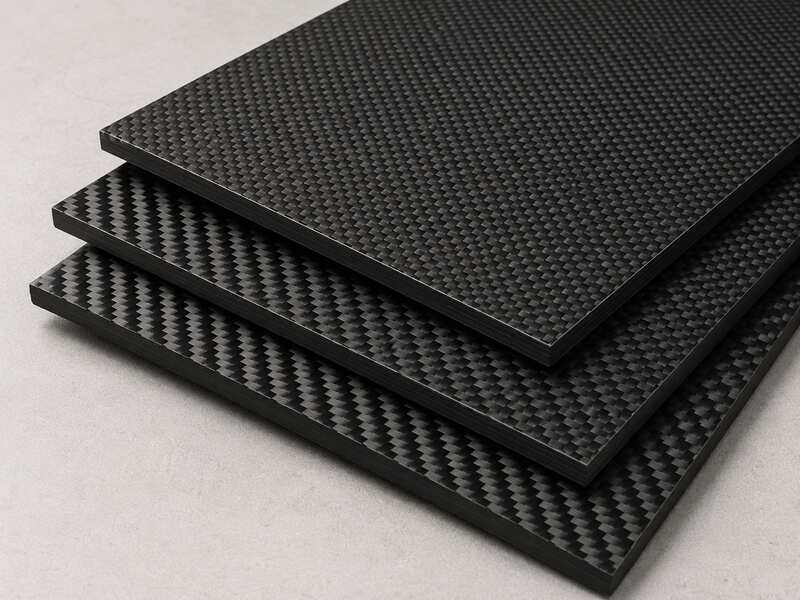
3K and T300 carbon fiber sheet materials with plain and twill weave surfaces

1K and 3K Carbon Fiber

1K carbon fiber contains approximately one thousand filaments per tow, while 3K contains approximately three thousand. This difference determines tow diameter, weave pattern scale, and how densely fibers pack within a woven fabric. A 1K tow is narrower and flatter, producing a fine, tightly interlaced weave with small repeat units. A 3K tow is wider and slightly thicker, yielding a

Read More »

T700 vs T800 Carbon Fiber

T700 and T800 are Toray carbon fiber grade families widely used in structural composite manufacturing. Both are polyacrylonitrile-based fibers positioned within standard and intermediate modulus classes for demanding CFRP laminates. T700 typically appears as T700S or T700G, while T800 includes T800S and T800H variants from Toray. Each variant carries slightly different sizing or filament count options for specific prepreg and

Read More »
Matte Carbon Fiber vs Gloss​

Matte Carbon Fiber vs Gloss​

Matte and gloss carbon fiber describe differences in surface treatment rather than changes to the underlying composite structure. Gloss carbon fiber uses a smooth, reflective clear coat that returns more light from the surface. Matte carbon fiber uses a modified clear coat that scatters reflected light. The coating formulation, rather than the reinforcement fiber, creates the visual contrast. Matte vs

Read More »
Twill Weave VS Plain Weave

Carbon Fiber Twill vs Plain Weave

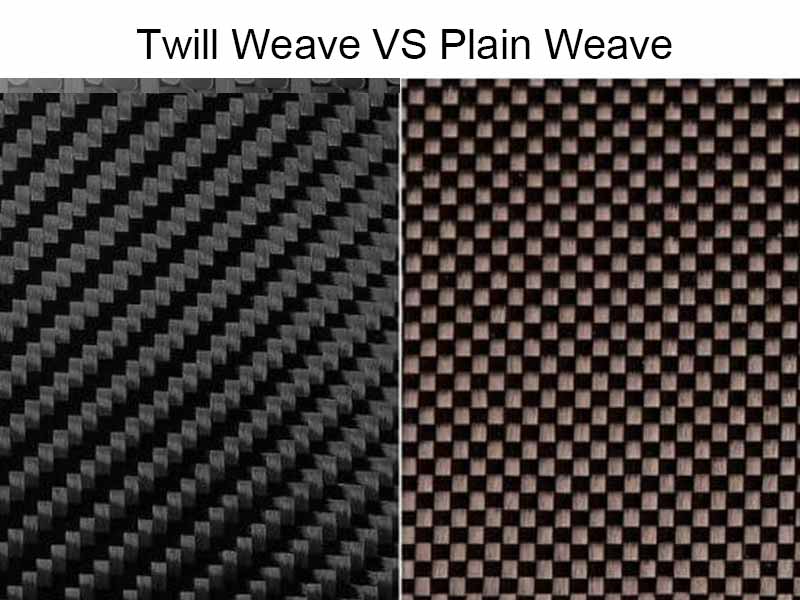
Twill and Plain Weave Basics Carbon fiber fabric structure defines how the fiber tows interlace. The selected weave affects fabric drape, tow stability, load distribution, resin flow, and surface appearance. 2×2 Twill Weave In a 2×2 twill weave, each tow passes over two and under two crossing tows. This construction creates the diagonal pattern commonly associated with visible carbon fiber

Read More »
Dry Carbon Fiber Vs Wet Carbon Fiber

Dry Carbon Fiber vs Wet Carbon Fiber

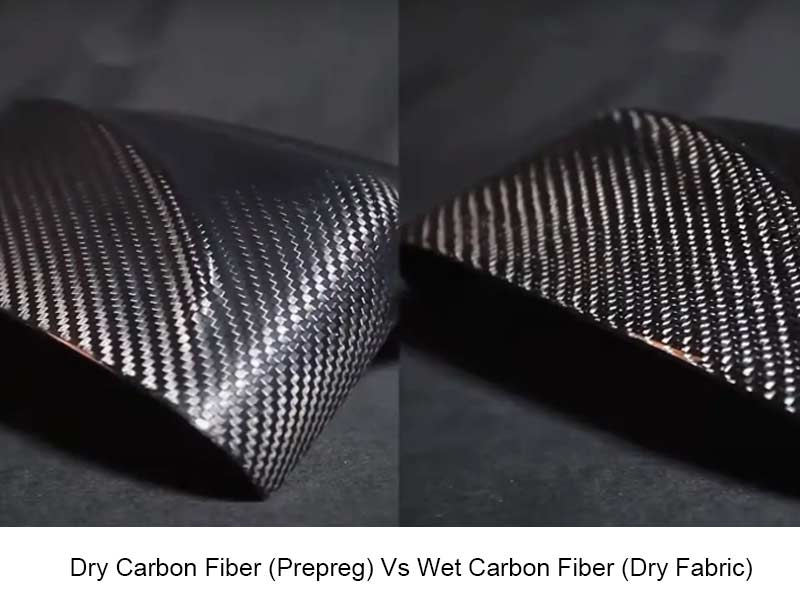
Dry and wet carbon fiber describe how resin enters the reinforcement fiber before curing shapes the laminate. Prepreg fabric already contains a pre-measured resin film bonded to the fiber before shipping. The surface feels dry to touch because the resin remains chemically inactive until heat triggers curing. Wet layup involves brushing or rolling liquid resin onto dry fabric placed inside

Read More »
RFQ

Need a Material Quote?

Get pricing for carbon fiber sheets, tubes, rods, or custom parts based on your project needs.

Request a Custom Quote

Upload your drawing, quantity, and any additional requirements. We’ll send you a quote by email.

Get a Formal Quote

Share your contact details and requirements. We’ll send a formal quotation by email.