Carbon fiber can be sanded safely when work stays within the clear coat or resin-rich surface layer. Sanding into the woven fabric weakens the carbon fiber laminate.
The clear coat and top epoxy layer sit above the structural weave and can be sanded to remove defects.
Sanding here corrects orange peel, dust nibs, and uneven gloss on a carbon fiber part.
How to Sand Carbon Fiber?
Sanding carbon fiber follows a controlled sequence of grit, pressure, and water use to protect the underlying weave.
Wet Sanding
Wet sanding uses water to float away abrasive particles and reduce heat buildup on the surface. This keeps the clear coat cooler and lowers the risk of burning through thin resin layers.
Water also helps the operator see reflection changes that indicate how close the paper is to the fiber. A steady water flow across the panel keeps the cut even during each pass.
Choose the Right Grit
Start with a P220 grit to level heavy defects such as runs or orange peel on the clear coat. Move to a P400 grit once the surface is flat to refine the scratch pattern.
Finish with a P1500 grit before buffing to prepare the panel for a high-gloss polish.
Skipping intermediate grits leaves deep scratches that later buffing steps cannot fully remove.
Light Pressure
Light, even pressure prevents the sanding block from digging unevenly into the clear coat. Heavy pressure can create low spots that print through the finish once polished.
A flat sanding block spreads pressure across the panel and helps track how much material is removed.
Sanding Residue
Residue color and texture tell the operator how close sanding is to the fiber layer.
A dull gray slurry usually means only clear coat has been removed.
A darker, fibrous residue signals the fabric surface is close and sanding should stop immediately.
Avoid Dry Sanding Dust
Dry sanding a carbon fiber part generates fine airborne dust that can irritate skin and lungs. This dust also carries conductive fiber fragments that create housekeeping and electrical risks.
Wet sanding or vacuum-assisted sanding is preferred for controlling exposure during finishing work.
Refinishing Carbon Fiber
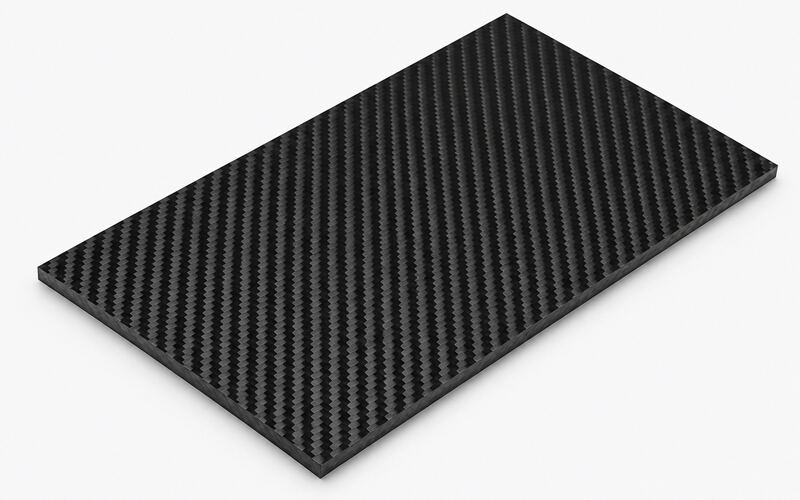
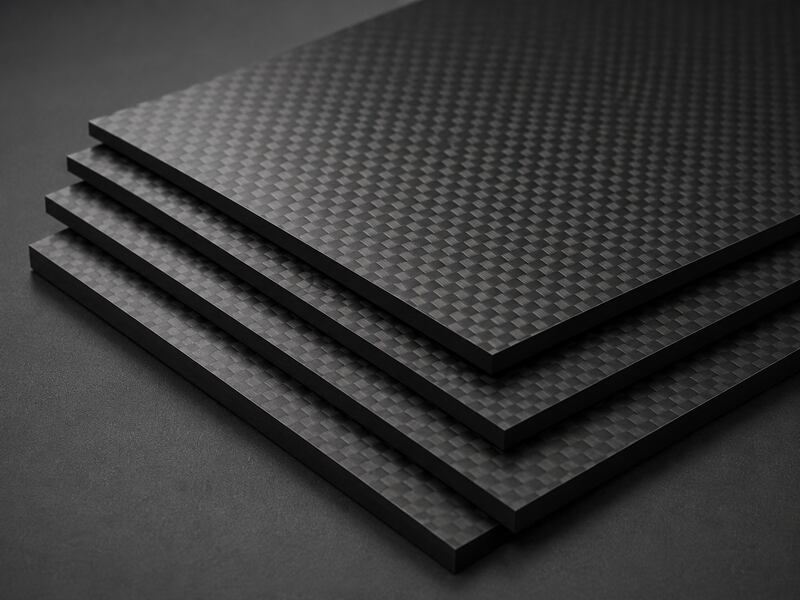
Refinishing restores gloss and surface quality on a carbon fiber sheet or panel after damage or fading.
Clean the Surface
The panel must be washed and degreased before any refinishing work begins.
Contaminants left on the surface can cause fisheyes or poor clear coat adhesion.
A final wipe with a compatible solvent removes residual wax or silicone film.
Use UV Stable Clear Coat
A UV stable clear coat protects the carbon fiber weave from fading and resin yellowing over time. Standard automotive clear coats without UV inhibitors break down faster under sunlight exposure.
Choosing a compatible clear coat also affects how the surface responds to later sanding and polishing.
Mismatched coatings can crack or peel when flexed on tubes or curved panels.
Apply Thin Wet Coats
Thin wet coats build clear coat thickness gradually while avoiding runs and sags on vertical surfaces. Each pass should flash slightly before the next coat is applied.
Excess film buildup increases sanding time and raises the risk of cutting unevenly later.
Controlled coat thickness keeps the final surface within the specified resin thickness range.
Sand and Polish After Curing
The clear coat must fully cure, typically around 24 hours at 60 °C, before sanding begins. Sanding uncured coating causes gumming and uneven cutting on the abrasive paper.
Once cured, the surface is leveled with the same wet sanding sequence used on the original finish. A final buff restores gloss without exposing the carbon fiber fabric underneath.
Carbon Fiber Sanding Depth
Sanding depth control protects the structural weave and keeps the laminate within its designed thickness.
Avoid Cutting Into the Weave
Sanding depth should stay inside the resin-rich surface layer above the first ply of fabric. Cutting into the carbon fiber weave exposes fiber tows and can create fraying at the surface.
Exposed fibers can reduce local stiffness and affect the long-term durability of carbon fiber.
Once fibers are visible, further sanding in that spot should stop.
Know the Surface Resin Thickness
Surface resin or clear coat thickness is often around 0.1 mm on a finished carbon fiber part. Knowing this thickness helps set safe sanding limits before reaching the laminate.
Laminate thickness itself, often near 2 mm on body panels, is not meant to be reduced by sanding. Any sanding depth approaching the structural plies should be treated as a defect, not a finishing step.
Carbon Fiber Parts You Can Sand
Sanding suitability depends on whether the part carries structural load or serves a cosmetic function.
Body Panels and Clear Coat Parts
Cosmetic body panels, hoods, and trim pieces are the most common carbon fiber parts sanded for finish work.
Their outer clear coat and resin layer are designed to accept refinishing and polishing.
Sanding these parts focuses on gloss and surface uniformity rather than structural modification.
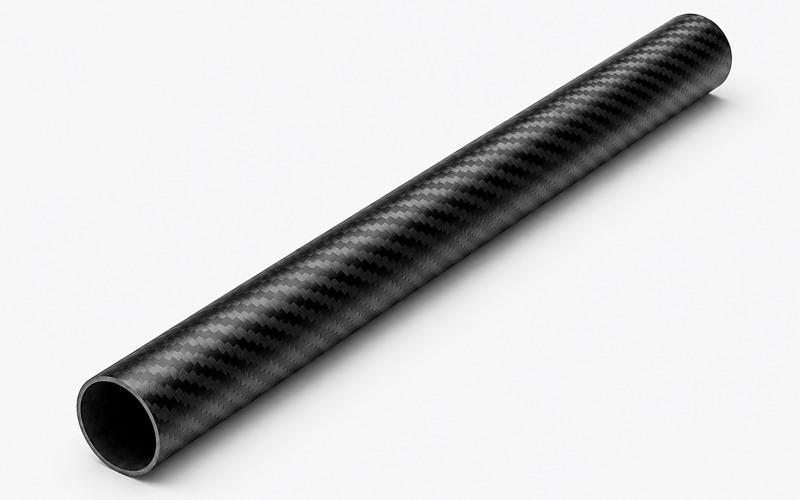
Tubes, Rods, Holes, and Edges
Drilled holes and cut edges often need light sanding to remove fraying fibers.
These areas require careful hand sanding since curved or small surfaces are easy to over-cut.
Sanding Carbon Fiber for Bonding
Bonding preparation uses sanding to create surface texture rather than to polish or refinish appearance.
Create the Right Surface Roughness
Bonding surfaces need a controlled roughness, often near 5 microns Ra, for reliable adhesive contact. T
his texture gives the adhesive mechanical grip instead of relying on a smooth, glossy surface.
Too little roughness weakens the bond, while too much can damage surface fibers. A consistent abrasive pattern across the joint area improves bond uniformity.
Abrade Different Composite Surfaces
Cured epoxy, vinyl ester, and gel-coated composite surfaces respond differently to the same abrasive grit. Softer resin systems cut faster and require lighter pressure to avoid gouging.
Matching the abrasive method to the resin system keeps surface preparation consistent across a project.
Remove Wax, Silicone, and Slurry
Mold release wax and silicone residues must be removed before sanding for bonding preparation.
These contaminants can smear across the surface and block adhesive contact if not cleaned first.
Wiping away sanding slurry immediately after abrading keeps the joint area free of loose particles.
Carbon Fiber Sanding Defects
Sanding defects usually trace back to grit selection, pressure control, or skipped surface checks.
Clear Coat Defects
Sand-through spots, hazing, and swirl marks are common clear coat defects from uneven sanding. These usually appear when pressure is inconsistent across the panel surface.
Correcting them often requires reapplying clear coat rather than continued sanding in the same area.
Fiber and Resin Damage
Fiber fraying, resin-rich patches, and dry-looking fiber strands indicate sanding went too deep. This damage weakens the surface locally and changes how light reflects off the weave pattern.
Once fibers are cut or lifted, sanding cannot restore original strength in that area.
Repair typically requires a resin patch or, in structural cases, a laminate repair procedure.
Thickness and Edge Checks
Measuring remaining thickness after sanding confirms the laminate has not been thinned beyond its design limit. Edge areas should be checked closely since abrasive tools tend to round or thin them faster.
A simple thickness gauge check after sanding helps catch problems before final finishing.
Carbon Fiber Dust Control
Dust control keeps sanding work safe and prevents fine particles from spreading to other equipment.
Contain Wet Sanding Slurry
Wet sanding slurry should be contained and wiped up before it dries on the workbench.
Dried slurry can turn back into airborne dust if disturbed later.
Keep Dust Away From Electronics
Carbon fiber dust can conduct electricity and cause shorts in nearby electronics. Sanding stations should be kept away from open circuit boards or connectors.
Clean Tools and Work Area
Sanding blocks, papers, and work surfaces should be cleaned after each session.
Regular cleanup prevents dust buildup from contaminating the next finishing step.
FAQ
Can You Sand Carbon Fiber by Hand?
Yes, hand sanding works well for small panels, edges, and detail areas. It gives the operator direct feedback and better control over pressure.
What Grit Should You Use on Carbon Fiber?
Grit choice depends on the defect, starting coarse and moving to fine grits. A typical sequence runs from leveling grits to fine polishing grits.
Can You Sand Carbon Fiber Clear Coat?
Yes, the clear coat is the layer meant to be sanded and refinished. Sanding should always stop before reaching the fiber weave.
Is Wet Sanding Carbon Fiber Better?
Wet sanding reduces heat and dust compared to dry sanding methods. It also gives clearer visual feedback on how much material is removed.
Can Damaged Carbon Fiber Be Sanded?
Minor surface damage can often be sanded and refinished successfully. Deeper structural damage usually needs a laminate repair instead of sanding alone.