RESOURCE CENTER

Carbon Fiber Material Blog

Expert guides, application insights, buying tips, and industry news to help you make better decisions about carbon fiber materials.

Latest Material Guides

Read practical articles about carbon fiber sheets, tubes, rods, applications, and material selection.

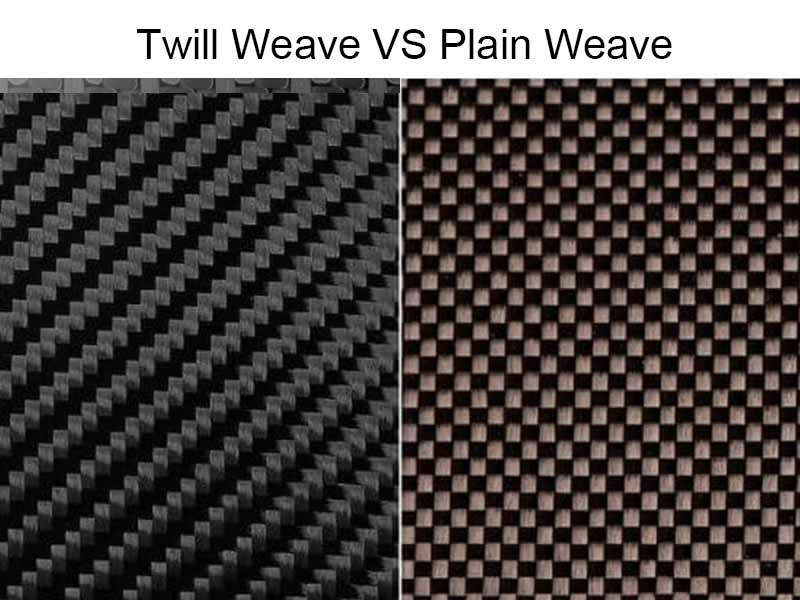
Twill Weave VS Plain Weave

Carbon Fiber Twill vs Plain Weave

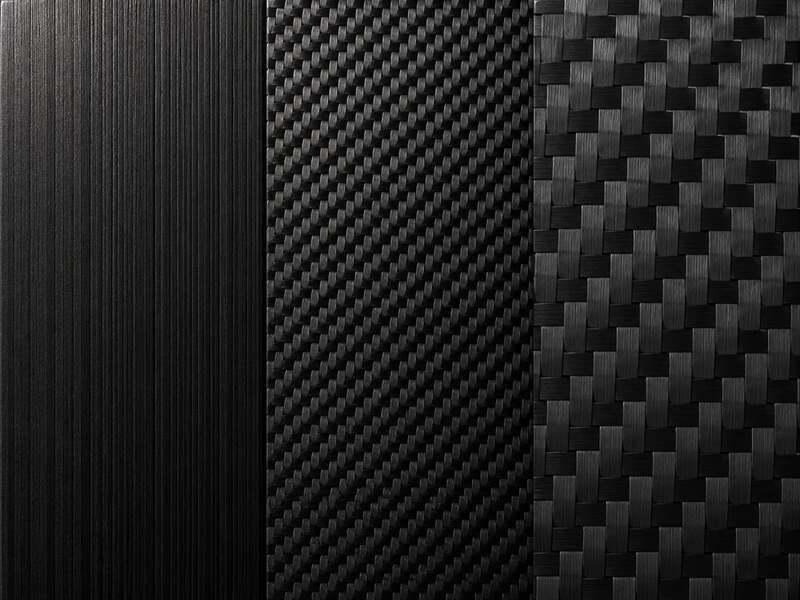
Twill and Plain Weave Basics Carbon fiber fabric structure defines how the fiber tows interlace. The selected weave affects fabric drape, tow stability, load distribution, resin flow, and surface appearance. 2×2 Twill Weave In a 2×2 twill weave, each tow passes over two and under two crossing tows. This construction creates the diagonal pattern commonly associated with visible carbon fiber

Read More »
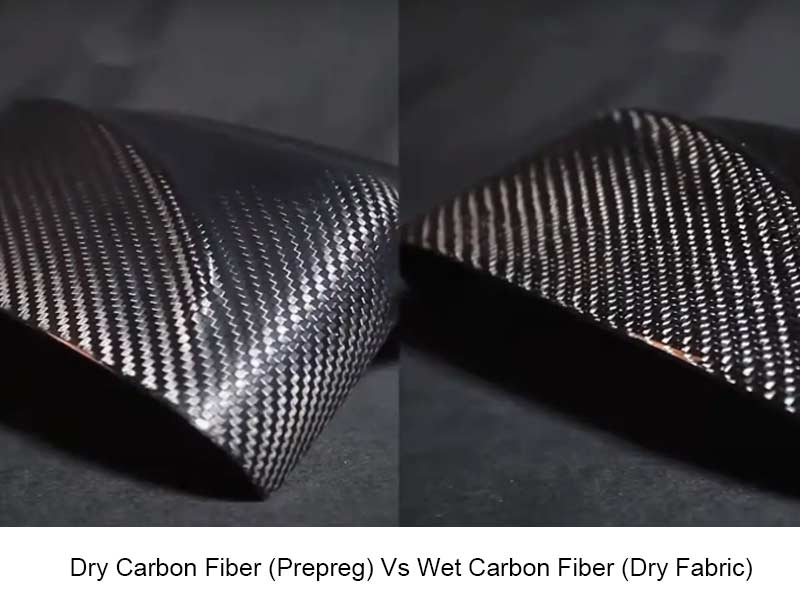
Dry Carbon Fiber Vs Wet Carbon Fiber

Dry Carbon Fiber vs Wet Carbon Fiber

Dry and wet carbon fiber describe how resin enters the reinforcement fiber before curing shapes the laminate. Prepreg fabric already contains a pre-measured resin film bonded to the fiber before shipping. The surface feels dry to touch because the resin remains chemically inactive until heat triggers curing. Wet layup involves brushing or rolling liquid resin onto dry fabric placed inside

Read More »
Carbon Fiber vs Forged Carbon Fiber

Carbon Fiber vs Forged Carbon Fiber

What Are Carbon Fiber and Forged Carbon Fiber Carbon fiber composites use continuous reinforcement, while forged carbon relies on chopped fiber pressed under heat and pressure. Woven Carbon Fiber Structure Woven carbon fiber uses continuous tows interlaced into a fabric, commonly a 2×2 twill pattern. This structure spreads load evenly along two fiber directions, giving predictable in-plane strength. Fiber crossover

Read More »
Aramid vs Carbon Fiber

Aramid vs Carbon Fiber

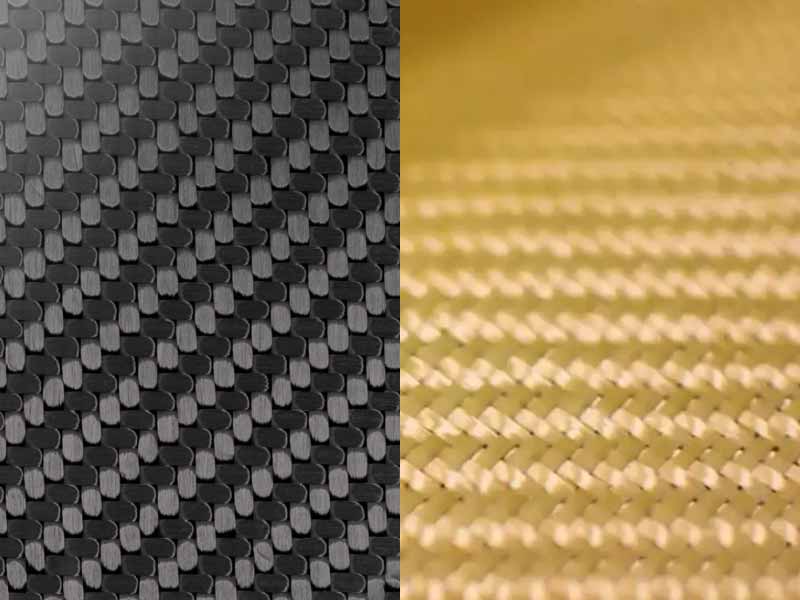
Aramid and carbon fiber are reinforcement fibers used in composite structures requiring low weight and high strength. Carbon fiber consists of aligned carbon crystallites formed through the carbonization of a precursor such as PAN. Aramid fiber is a synthetic polymer chain built from aromatic rings linked by amide bonds. Aramid vs Carbon Fiber Material Mechanical behavior separates aramid from carbon

Read More »

Carbon Composite vs Carbon Fiber

Carbon fiber and carbon composite describe related but distinct materials within reinforced structures. Carbon fiber refers to the thin filament that supplies tensile strength within a composite structure. Carbon composite describes the combined system of reinforcement fiber and cured resin. The resin binds fibers, transfers load, and defines the finished part geometry. Key Differences Four factors separate raw fiber from

Read More »
Carbon Fiber vs Graphite

Carbon Fiber vs Graphite

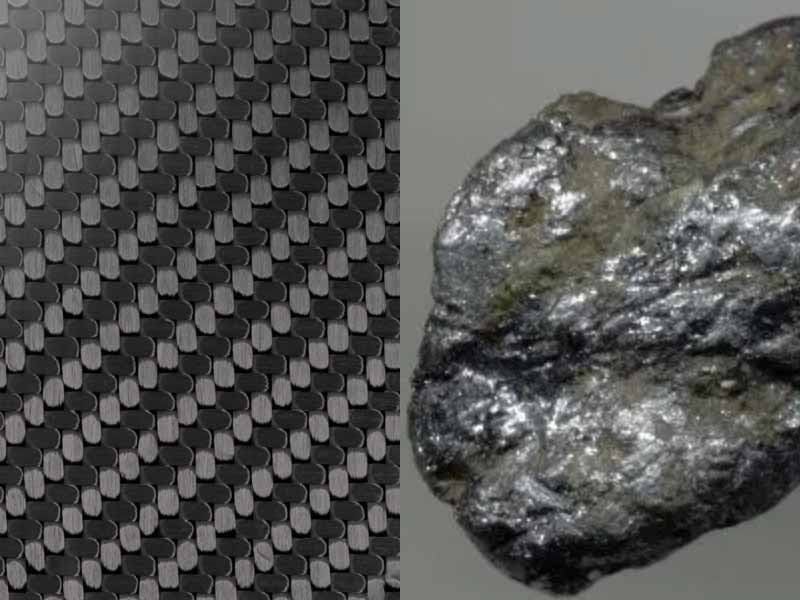
Graphite is a naturally occurring or synthetic crystalline form of carbon with atoms arranged in flat hexagonal sheets. These sheets stack loosely, which gives graphite its softness and lubricating behavior. Carbon fiber is a thin filament made mostly of carbon atoms aligned along the fiber axis. Differences Between Carbon Fiber and Graphite This section outlines how physical form, function, and

Read More »
Carbon Fiber Vs Steel

Carbon Fiber vs Fiberglass

Carbon fiber and fiberglass differ at the raw material level, which shapes their structural behavior in composite parts. Carbon fiber is produced from an organic polymer precursor, most commonly polyacrylonitrile, known as PAN. The precursor is oxidized and then carbonized at high temperature to convert it into aligned carbon crystal structures. Fiberglass is made by melting silica sand along with

Read More »
Carbon Fiber Vs Steel

Carbon Fiber vs Steel

Carbon fiber is made of thin filaments bundled into tows, with a 3K tow offering a fine weave for smooth cosmetic surfaces. Fiber orientation within the laminate controls how loads travel through a carbon fiber part. Aligning fibers with the primary load path increases stiffness and reduces unnecessary resin bulk. Steel alloys are classified by carbon content and added elements

Read More »
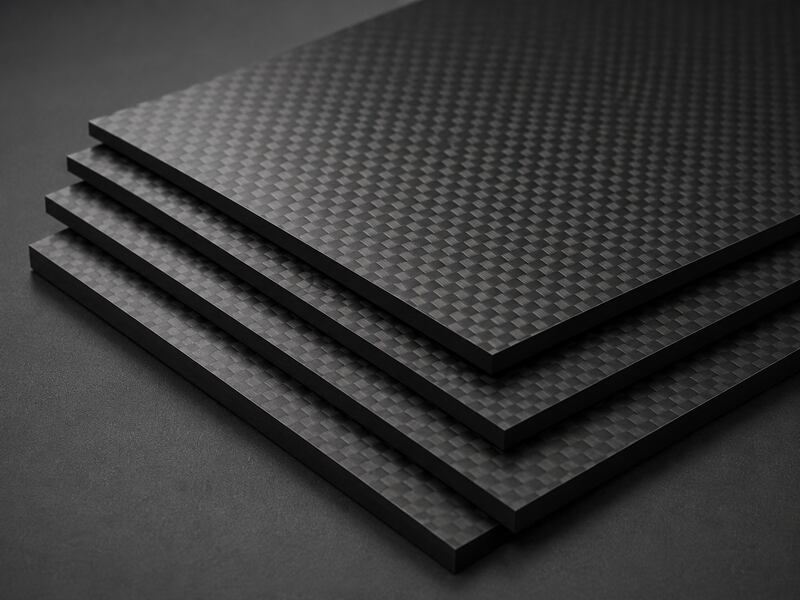
Carbon fiber sheet stack with woven surface for panels, covers, fixtures, and machined parts

Can You Sand Carbon Fiber

Carbon fiber can be sanded safely when work stays within the clear coat or resin-rich surface layer. Sanding into the woven fabric weakens the carbon fiber laminate. The clear coat and top epoxy layer sit above the structural weave and can be sanded to remove defects. Sanding here corrects orange peel, dust nibs, and uneven gloss on a carbon fiber

Read More »
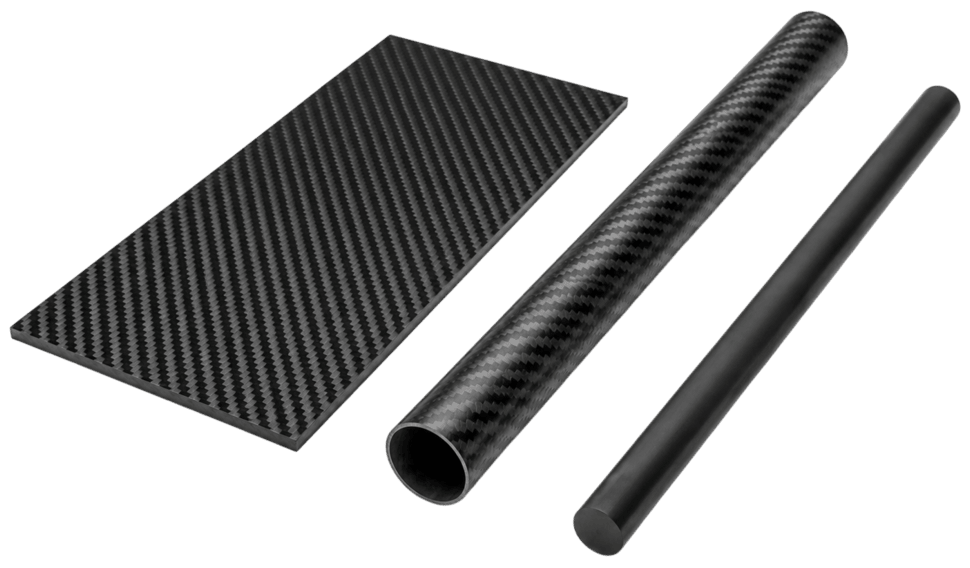
Duflo carbon fiber sheets, tubes, and rods for price estimate

How Durable Is Carbon Fiber?

Durability in a carbon fiber part depends on fiber quality, laminate design, environmental exposure, and how the part was cured and machined. A single carbon filament resists degradation well on its own, but durability changes once fibers are bonded into a laminate. Resin quality, fiber alignment, and bonding strength all influence how long the finished part performs. A carbon fiber

Read More »
RFQ

Need a Material Quote?

Get pricing for carbon fiber sheets, tubes, rods, or custom parts based on your project needs.

Request a Custom Quote

Upload your drawing, quantity, and any additional requirements. We’ll send you a quote by email.

Get a Formal Quote

Share your contact details and requirements. We’ll send a formal quotation by email.