Carbon fiber composites are used where low mass and directional stiffness matter. Engineers align fibers with load paths to control bending, tension, and torsion.
Resin selection bonds the fibers and protects them from moisture, heat, and abrasion. Poor fiber alignment can reduce stiffness and create early laminate failure.
The result depends on laminate design, cure quality, and final inspection.
Common Carbon Fiber Product Forms
Common carbon fiber product forms support different load paths, machining methods, and assembly needs.
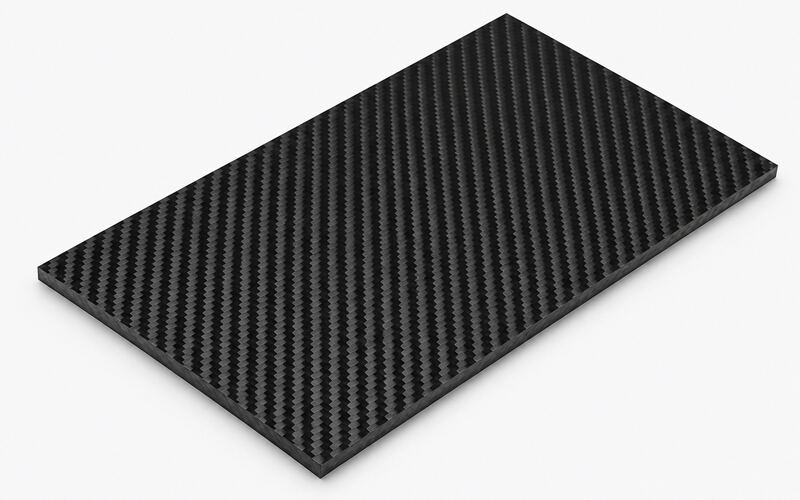
- Sheets and plates: Used for flat brackets, frames, covers, and mounting panels.
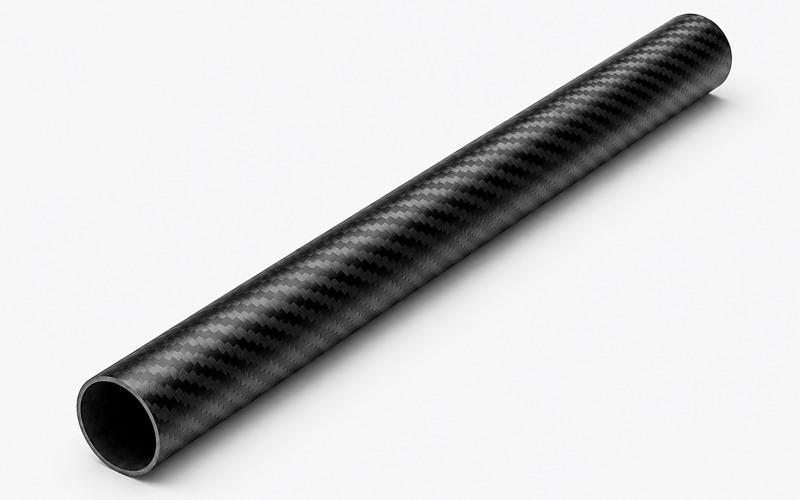
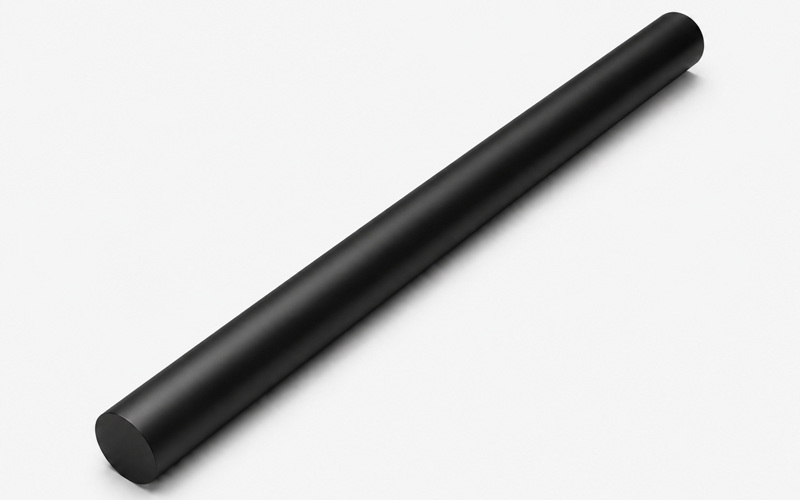
- Tubes and rods: Used for booms, shafts, poles, trusses, and support structures.
- Fabrics: Used for layup, infusion, RTM, and custom molded composite parts.
- Prepregs: Used when resin content, surface quality, and repeatability matter.
- Sandwich panels: Used when high bending stiffness and low weight are required.
The correct form reduces machining, bonding risk, and unnecessary material waste. Product form should match the load path, geometry, joining method, and production route.
Carbon Fiber Uses by Industry
Carbon fiber uses vary by industry because loading, environment, inspection needs, and production routes are different.
| Industry | Common Carbon Fiber Uses | Main Benefit | Key Design Risk |
|---|---|---|---|
| Aerospace and UAV | Skins, ribs, spars, fairings, UAV frames | Low mass and high stiffness | Porosity, delamination, and bond quality |
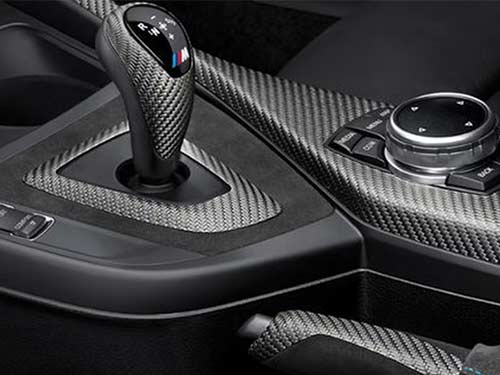
| Automotive | Body panels, roof structures, splitters, monocoques | Weight reduction and stiffness | Impact, vibration, and joint stress |
| Marine | Hulls, masts, rudders, hydrofoils, deck structures | Low weight and strong stiffness | Water ingress and core bonding |
| Wind Energy | Blade spar caps and long structural members | Long-span stiffness | Fiber waviness and dry zones |
| Medical | Imaging tables and prosthetic components | Stiffness and radiolucent behavior | Surface finish and edge sealing |
| Sporting Goods | Bicycles, rackets, hockey sticks, helmets, paddles | Tuned stiffness and low mass | Impact damage and fastener crushing |
| Robotics | Arms, gantries, grippers, frames, moving links | Low moving mass | Bearing loads and edge delamination |
Aerospace Structures and UAV Frames
Aerospace parts use carbon fiber for stiff skins, ribs, spars, fairings, and unmanned aircraft frames. Fiber orientation is specified around flight loads, vibration, and attachment points.
Prepreg laminates help control resin flow, voids, and repeatable thickness during curing. Poor compaction can create porosity, which weakens fatigue performance.
Inspection often checks delamination, bond quality, and dimensional stability.
Automotive Body Panels and Chassis Parts
Automotive applications include body panels, roof structures, splitters, monocoque shells, and reinforcement parts. Carbon fiber reduces mass while maintaining stiffness around suspension and aerodynamic loads.
The laminate must resist impact, vibration, road fluids, and thermal cycling. Bonding surfaces require controlled abrasion and cleaning before adhesive joining.
Poor joint design can cause peel stress and local laminate crushing.
Marine Hulls Masts and Hydrofoils
Marine builders use carbon fiber in racing hulls, masts, rudders, hydrofoils, and deck structures. Low weight improves response, while stiffness helps maintain sail and foil geometry.
Resin systems must resist water uptake and repeated flexing. Sandwich construction is often used to increase panel rigidity without heavy solid laminates.
Water ingress at damaged edges can weaken cores and adhesive bonds.
Wind Turbine Blades and Spar Caps
Wind blades use carbon fiber where high stiffness is needed along long structural members. Spar caps benefit from unidirectional reinforcement aligned with blade bending loads.
Manufacturing control focuses on fiber straightness, resin wet-out, and avoiding dry zones. Fiber waviness can reduce compressive strength in critical blade regions.
Reliable bonding between skins, shear webs, and caps is essential.
Medical Imaging Tables and Prosthetics
Medical imaging tables use carbon fiber because it combines stiffness with radiolucent behavior. The laminate supports patients while reducing imaging interference from dense materials.
Prosthetic components use tailored layups to balance flexibility, comfort, and fatigue resistance. Surface finish and edge sealing matter because users contact these parts repeatedly.
Defects can create pressure points or reduce long-term durability.
Sporting Goods and High Performance Equipment
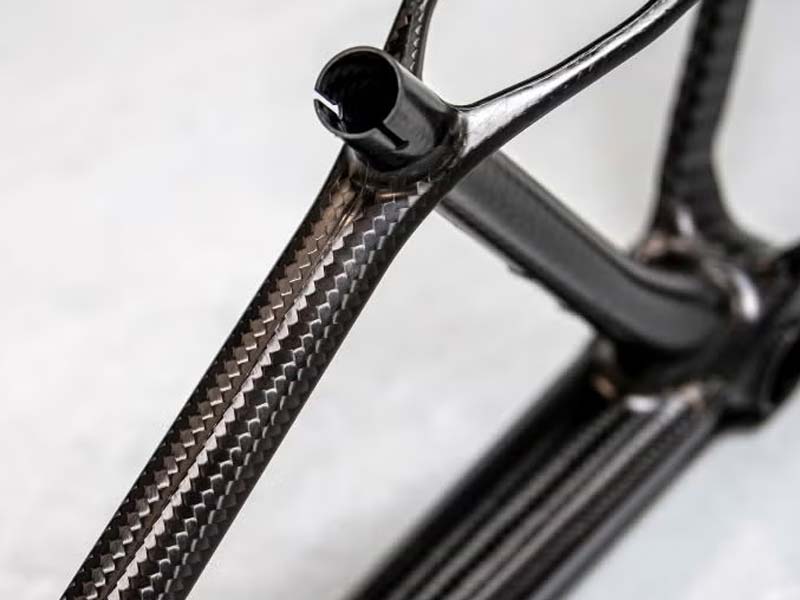
Sporting goods use carbon fiber in bicycles, rackets, hockey sticks, helmets, and paddles. Designers tune flex by changing fiber direction, tube shape, and laminate stacking.
Impact areas need tougher resin or local reinforcement to reduce cracking. Lightweight designs can fail if fasteners crush thin laminate walls.
Testing verifies stiffness, energy return, and damage tolerance.
Robotics and Automation Components
Robotics uses carbon fiber for arms, gantries, grippers, frames, and moving links. Lower moving mass can reduce motor load and improve positioning response.
High stiffness helps maintain tool alignment during rapid motion. Machined plates and tubes must be designed around bearing loads and clamped joints.
Poor edge quality can start delamination under cyclic movement.
Carbon Fiber Uses by Product Form
Product form affects stiffness, joining method, machining route, and the type of carbon fiber application possible.
| Product Form | Typical Uses | Main Design Focus | Common Risk |
|---|---|---|---|
| Sheets and Plates | Brackets, frames, panels, equipment faces | Thickness, ply schedule, and hole design | Fraying, splitting, and moisture at cut edges |
| Tubes and Rods | Frames, booms, shafts, poles, trusses | Fiber angle, wall design, and end inserts | Clamp crushing and end-load concentration |
| Sandwich Panels | Lightweight stiff panels and structural skins | Skin-core bonding and core selection | Hidden delamination and core shear failure |
| Molded Parts | Curved parts, ribs, lips, integrated features | Tooling, layup planning, and cure control | Wrinkles, bridging, and distortion |
| CNC Machined Parts | Slots, holes, countersinks, custom profiles | Tool geometry, feed rate, and workholding | Delamination and poor edge finish |
Carbon Fiber Sheets and Plates
Carbon fiber sheets and plates are used for flat structural panels, brackets, frames, and equipment faces. Laminate thickness and ply schedule determine bending stiffness and screw retention.
Cutting must use sharp tools, dust extraction, and supported edges to limit fraying. Holes should be placed with enough edge distance to reduce splitting.
Sealed edges help protect the laminate from moisture and abrasion.
Carbon Fiber Tubes and Rods
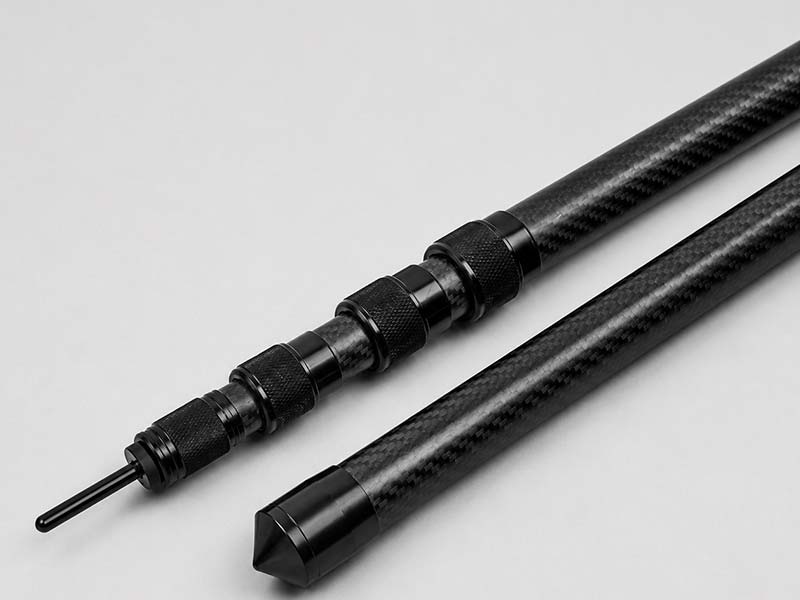
Carbon fiber tubes and rods support frames, booms, shafts, poles, and truss structures. Fiber angle controls axial stiffness, hoop strength, and torsional behavior.
Pultruded rods suit straight tensile loads, while wrapped tubes support mixed bending and torsion. End inserts must spread loads into the laminate wall.
Local crushing can occur when clamps or bolts are overtightened.
Carbon Fiber Sandwich Panels
Sandwich panels combine carbon fiber skins with a lightweight core. The skins carry tensile and compressive stress, while the core separates them.
This structure increases bending stiffness without a solid laminate. Bond quality between skin and core is the main control point.
Poor bonding can cause skin buckling, core shear failure, or hidden delamination.
Molded Carbon Fiber Parts
Molded carbon fiber parts are used when geometry requires curvature, ribs, lips, or integrated mounting features. The tool controls surface quality, shape repeatability, and resin distribution.
Layup planning prevents bridging in tight corners and wrinkles around compound curves. Vacuum pressure and controlled cure help remove trapped air.
Demolding too early can cause distortion or residual stress.
Custom CNC Machined Carbon Fiber Parts
Custom CNC machined carbon fiber parts are cut from cured sheets, plates, or blocks. CNC routing creates precise slots, holes, countersinks, and complex profiles.
Tool geometry, feed rate, and workholding affect delamination and edge finish. Coolant is usually avoided unless the laminate and process allow it.
Finished parts often need deburring, sealing, and inspection.
What Carbon Fiber Sheets are Used For?
Carbon fiber sheets are used where flat geometry, stiffness, low mass, and clean machining are required.
Drone Frames and RC Model Parts
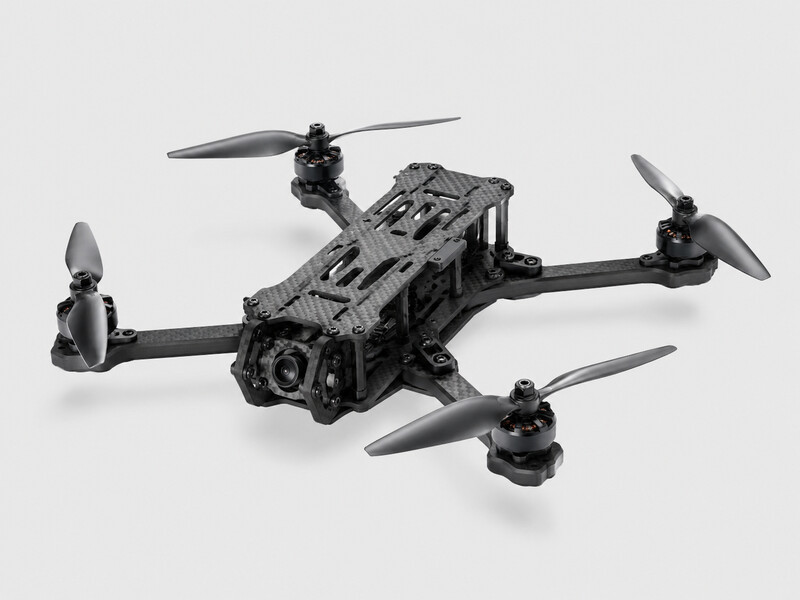
Drone frames use carbon fiber sheets for arms, center plates, motor mounts, and camera supports. Fiber orientation should match arm bending and crash loads.
Cutouts reduce mass but can concentrate stress near holes and corners. Rounded internal corners help reduce crack initiation.
Poor machining can cause delamination that grows under vibration.
Electronics Panels and Equipment Brackets
Electronics panels use carbon fiber sheets for lightweight covers, mounting plates, and instrument supports. Designers must consider electrical conductivity when placing circuits or antenna parts.
Insulating layers or spacers can prevent unintended electrical paths. Brackets need local reinforcement around screws and standoffs.
Unsealed cut edges can shed conductive dust during service.
Camera Plates and Mounting Structures
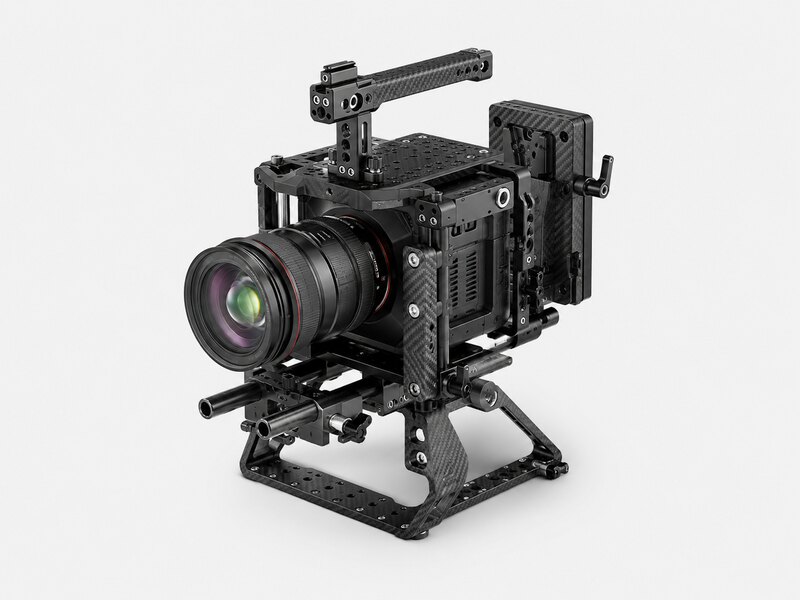
Camera plates use carbon fiber to reduce rig mass and maintain alignment. The laminate resists bending under lenses, sliders, and stabilization hardware.
Mounting holes should be drilled cleanly and supported during machining. Threaded inserts distribute repeated fastening loads better than bare laminate holes.
Surface texture also affects grip pads and adhesive tapes.
Industrial Fixtures and Tooling Plates
Industrial fixtures use carbon fiber sheets when low thermal movement and low moving mass are useful. Tooling plates may support inspection nests, pick heads, and precision carriers.
Flatness depends on balanced layup and controlled cure. Machined reference edges require stable fixturing during cutting.
Unbalanced laminates can warp after machining releases internal stress.
What Carbon Fiber Tubes and Rods are Used For?
Carbon fiber tubes and rods are selected for beams, shafts, poles, and structural members with directional loads.
Lightweight Frames and Support Structures
Carbon fiber tubes form trusses, frames, booms, and support rails in mobile systems. Tube diameter, wall design, and fiber angle control buckling resistance.
Bonded joints should transfer load through sleeves, sockets, or scarfed interfaces. Simple butt bonds often concentrate stress at tube ends.
Alignment during bonding affects straightness and assembled stiffness.
Telescopic Poles and Robotic Arms
Telescopic poles use carbon fiber tubes for reach with manageable mass. Robotic arms use similar benefits to improve acceleration and reduce deflection.
Sliding sections require controlled surface finish and wear-resistant interfaces. Clamp zones need reinforcement to prevent wall damage.
Poor concentricity can cause binding or unstable positioning.
Drive Shafts and Torsion Loaded Parts
Drive shafts use carbon fiber tubes with fibers angled to carry torque. The layup must balance torsional stiffness, critical speed, and end fitting strength.
Adhesive bonding to metal yokes needs surface preparation and controlled bond thickness. Galvanic isolation may be required near conductive fibers and metal parts.
Imbalance or voids can cause vibration during rotation.
Marine and Sporting Equipment
Marine and sporting tubes are used in paddles, spars, booms, ski poles, and rackets. Layup tuning changes flex, rebound, and impact response.
Saltwater exposure requires sealed edges and compatible resins. Grip areas need surface preparation for adhesive sleeves or textured finishes.
Local dents can grow into splits under repeated bending.
How Material Selection Affects Carbon Fiber Uses?
Fiber type, tow size, fabric architecture, and resin system define usable stiffness, strength, finish, and process route.
PAN Based Carbon Fiber for Structural Parts
PAN based carbon fiber is widely used for structural CFRP parts requiring strength and balanced stiffness. It suits aerospace panels, automotive structures, tubes, brackets, and sporting components.
The selected fiber grade controls tensile strength, modulus, and allowable strain. Higher modulus grades can improve stiffness but may reduce damage tolerance.
Resin compatibility and fiber sizing affect wet-out, bonding, and fatigue behavior.
Pitch Based Carbon Fiber for Stiffness and Thermal Control
Pitch based carbon fiber is selected when high stiffness or thermal management is important. It appears in precision equipment, space structures, heat spreaders, and low-expansion tooling.
The material can be more brittle than common structural fibers. Layup design must protect it from impact and stress concentrations.
Processing must avoid fiber breakage and resin-starved regions.
3K 6K 12K and 24K Tow Selection
Use the chosen tow size to balance surface appearance, drapability, deposition rate, and laminate thickness. Smaller tows usually conform better around tight details and show finer weave texture.
Larger tows can improve layup speed on broad parts but may reduce fine contour control. Tow selection also affects resin flow paths and visible print-through.
Designers should match tow choice with tooling radius and finish needs.
Plain Weave Twill Weave and Unidirectional Fabric
Plain weave provides stable handling and balanced reinforcement in two directions. Twill weave drapes better over curved surfaces and creates a familiar cosmetic pattern.
Unidirectional fabric places most fibers along a selected load path. Incorrect fabric selection can add weight without improving useful stiffness.
Ply stacking should avoid excessive fiber waviness and resin-rich pockets.
How Manufacturing Method Affects Carbon Fiber Applications?
The manufacturing route controls voids, surface quality, dimensional accuracy, fiber placement, and production repeatability.
Prepreg and Autoclave Parts for High Performance Use
Prepreg uses pre-impregnated carbon fiber with controlled resin content and tack. Autoclave processing applies heat and pressure to compact the laminate.
This improves void control, fiber alignment, and surface reproduction. Layup storage, debulk cycles, and cure timing must be controlled.
Expired material or poor bag sealing can reduce mechanical performance.
Vacuum Bagging and Resin Infusion for Panels and Shells
Vacuum bagging and infusion are common for panels, covers, marine parts, and large shells. Dry fabric is placed in the tool before resin is drawn through the stack.
Flow media, resin viscosity, and vent location control wet-out. Dry spots, race tracking, and resin-rich areas are common risks.
Consistent vacuum integrity improves laminate quality and repeatability.
Pultrusion and Filament Winding for Tubes Rods and Vessels
Pultrusion pulls fibers through resin and a heated die to form constant profiles. It suits carbon fiber rods, strips, and simple structural shapes with continuous fiber alignment.
Filament winding places fibers around mandrels for tubes, shafts, and pressure shells. Winding angle controls hoop strength, axial stiffness, and torsional response.
Poor tension control can create gaps, wrinkles, or uneven wall properties.
CNC Cutting and Drilling for Finished Carbon Fiber Parts
CNC cutting converts cured carbon fiber sheets and molded blanks into finished parts. Tool sharpness, chip evacuation, and support under the laminate control edge quality.
Drilling should use suitable point geometry to reduce exit breakout. Dust extraction protects equipment and keeps conductive particles away from electronics.
Final inspection checks burrs, delamination, hole position, and edge sealing.
Limitations of Carbon Fiber in Real Applications
Carbon fiber applications must account for cost, impact behavior, joining limits, corrosion risk, and resin temperature capability.
- Cost: Fiber, resin, tooling, labor, and inspection can increase total part cost.
- Impact damage: Delamination may remain hidden below the visible surface.
- Fastener loads: Holes, clamps, and bolts can crush or split thin laminates.
- Galvanic corrosion: Conductive carbon fiber needs isolation from certain metals.
- Temperature limits: The resin system usually controls service temperature.
High Material and Processing Cost
Carbon fiber parts often cost more because fiber, resin, tooling, labor, and inspection are specialized. Prepreg storage and controlled curing add process cost.
Scrap can increase when ply kits, nesting, or trimming are inefficient. Designers reduce cost by simplifying geometry and minimizing secondary machining.
Material choice should match load demand rather than appearance alone.
Impact Damage and Delamination Risk
Carbon fiber laminates can hide impact damage below the visible surface. Delamination reduces compression strength and can spread under cyclic loading.
Toughened resin, local patches, and protective skins reduce impact sensitivity. Inspection methods may include tap testing, ultrasound, or visual edge checks.
Design allowances should consider service damage and repair access.
Fastener Design and Bearing Strength Limits
Fasteners can crush or split carbon fiber if loads are concentrated. Bearing strength depends on laminate thickness, fiber direction, hole quality, and washer area.
Inserts, bushings, and bonded doublers spread load into more plies. Holes should be machined cleanly and sealed after cutting.
Joint testing is important when vibration or repeated assembly is expected.
Galvanic Corrosion When Joined with Metals
Carbon fiber is electrically conductive and can accelerate corrosion near some metals. The risk increases when moisture connects the two materials.
Isolation layers, coatings, sealants, or nonconductive washers reduce galvanic contact. Stainless hardware is not a complete solution without joint sealing.
Design reviews should check drainage, edge exposure, and fastener interfaces.
Temperature and Resin System Limits
Carbon fiber itself tolerates high heat, but the resin system sets service limits. Excessive temperature can soften the matrix and reduce load transfer.
Resin selection should match curing method, operating heat, and chemical exposure. Post-cure may improve thermal stability when the system requires it.
Designers must also consider thermal expansion mismatch with bonded parts.
FAQ
These answers summarize common questions about carbon fiber uses and structural selection.
What is Carbon Fiber Most Commonly Used For?
Carbon fiber is commonly used for lightweight structural parts, panels, tubes, frames, and reinforcement components. It is chosen when stiffness and weight control are important.
Why is Carbon Fiber Used Instead of Aluminum or Steel?
Carbon fiber is used when directional stiffness and low mass outweigh metal advantages. Metals may still be better for ductility, low cost, or simple fastening.
Is Carbon Fiber Used for Structural Parts?
Yes, carbon fiber is used in structural aerospace, automotive, marine, wind energy, and robotic parts. Structural use requires controlled design, processing, joining, and inspection.