If you’ve ever shopped for carbon fiber materials, you’ve probably run into numbers like “12K” or “24K” stamped on product listings.
These figures refer to tow size, and honestly, they trip up a lot of newcomers.
Let’s break down what tow size actually means, why it matters, and how to pick the right one for your specific application.
What Exactly Is Carbon Fiber Tow Size?
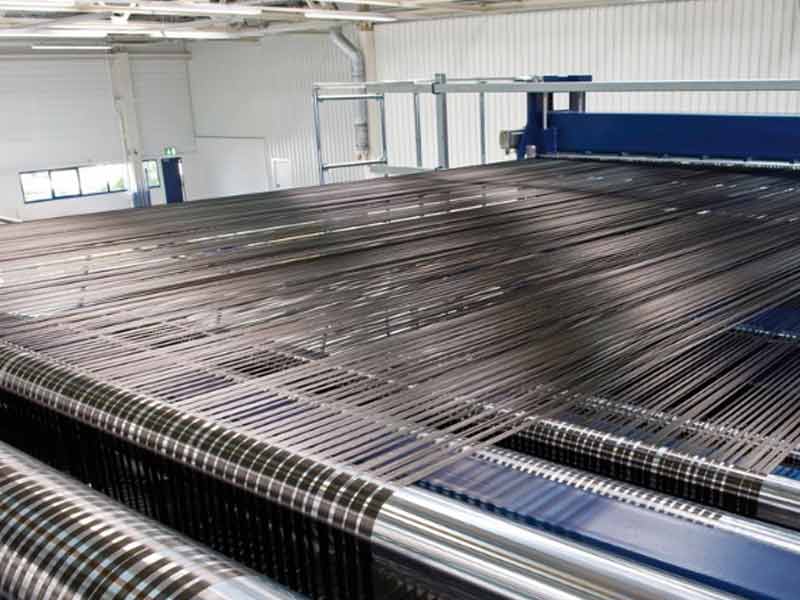
Tow size refers to the number of individual carbon filaments bundled together into a single strand, or “tow.” During carbon fiber manufacturing, these tows can be woven, wound, or processed into fabric, prepreg, and composite parts.
The “K” in these measurements stands for thousand. Tow size describes filament count, while carbon fiber grade describes mechanical properties such as strength and modulus. So a 3K tow contains roughly 3,000 individual filaments twisted or aligned together. A 12K tow packs in about 12,000 filaments. Simple enough on paper, but the implications run much deeper than a basic head count.
Each filament is astonishingly thin—thinner than a human hair, in fact. That’s what makes carbon fiber so remarkably strong for its weight. Bundle thousands of these hair-thin strands together, though, and suddenly you’ve got a material capable of outperforming steel while weighing a fraction as much.
Common Tow Sizes You’ll Encounter
Manufacturers typically offer several standard sizes, each suited to different needs:
- 1K and 3K: Small, tight tows often used in aesthetic or lightweight applications
- 6K: A middle-ground option balancing strength and workability
- 12K: Perhaps the most popular choice for general industrial use
- 24K, 48K, and beyond: Heavy tows designed for large-scale structural work
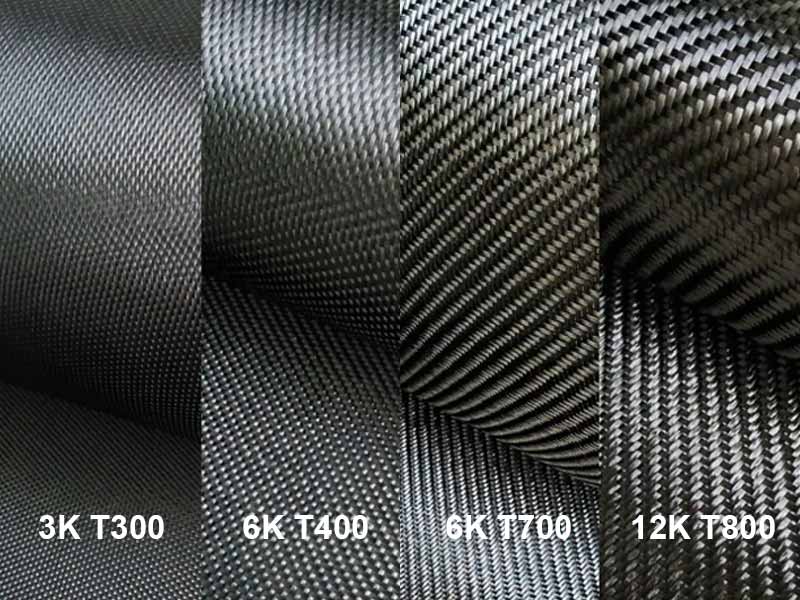
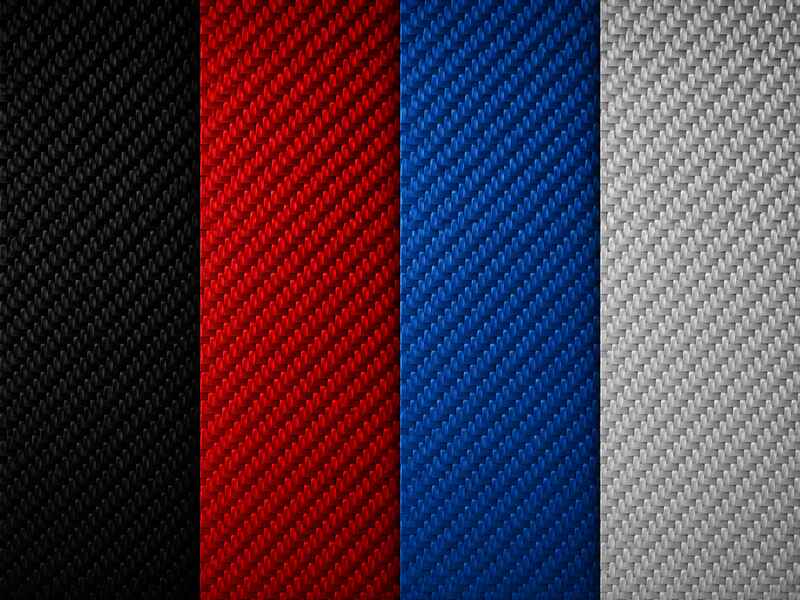
Smaller tows tend to create finer weave patterns. You’ve likely seen this in high-end automotive trim or bicycle frames—that tight, almost fabric-like texture comes from 1K or 3K material. Larger tows, on the other hand, look coarser but pack significantly more material into less time during manufacturing.
Why Tow Size Actually Matters
Here’s where things get practical. Tow size isn’t just a technical specification buried in a spec sheet; it directly influences cost, weight, appearance, and manufacturing efficiency.
Cost and Production Speed
Larger tows are generally cheaper to produce. Why? Because manufacturers can lay down more fiber material in a single pass. Think about it this way: winding one 24K tow accomplishes roughly what eight separate 3K tows would achieve, but with far less handling and machine time involved.
This efficiency translates directly into pricing. If you’re working on a budget-conscious project that doesn’t require pristine surface finish, heavier tows like 24K or 48K can slash material costs considerably.
Weight Considerations
Smaller tows generally allow for more precise control over resin distribution, which can lead to lighter finished parts. Aerospace engineers, for instance, often gravitate toward 3K or 6K materials when every gram counts. A satellite component or aircraft wing element simply can’t afford unnecessary bulk.
That said, this isn’t a hard rule. With proper engineering and resin infusion techniques, larger tows can still yield impressively lightweight results. It really depends on the application and how the material gets processed.
Surface Finish and Aesthetics
Anyone who’s admired a carbon fiber hood or steering wheel has probably noticed the weave pattern. Fine, tight weaves come from smaller tow sizes—1K and 3K are the go-to choices when visual appeal matters as much as function.
Larger tows produce a bolder, more visible carbon fiber pattern. Some people actually prefer this look; it reads as more industrial, more “raw.” But if you’re aiming for that sleek, refined finish typical of luxury car interiors, stick with smaller filament counts.
Tow size is only one factor affecting appearance; carbon fiber color and appearance also depend on weave, resin, finish, and lighting.
How Tow Size Affects Mechanical Properties
This is where engineers really need to pay attention. Tow size doesn’t just influence how a part looks—it fundamentally shapes strength, stiffness, and how the material behaves under load.
Strength-to-Weight Ratio
Interestingly, individual filament strength remains largely consistent regardless of tow size. A single filament in a 3K tow isn’t inherently stronger than one in a 24K tow. What changes is how efficiently the fibers can be arranged and how well resin penetrates the bundle.
Smaller tows often achieve better fiber-to-resin ratios because resin can more thoroughly saturate each strand. Poor saturation in larger tows can create voids or weak points, particularly in complex geometries where resin flow gets restricted.
Impact Resistance and Flexibility
Parts made with finer tow sizes tend to distribute stress more evenly across the structure. This matters enormously in applications facing repeated flexing or sudden impacts—think drone frames, sporting goods, or prosthetic devices.
Heavier tows, while excellent for raw tensile strength in straightforward structural applications, can sometimes behave less predictably under complex loading scenarios. They’re not necessarily worse; they’re just better suited to different jobs.
Different carbon fiber applications place different priorities on tow size, surface appearance, manufacturing speed, and mechanical performance.
Choosing the Right Tow Size for Your Project
So how do you actually decide? Start by asking yourself a few key questions.
What’s your budget? If cost is the primary driver and you’re building something like a structural bracket or utility component, larger tows will save money without sacrificing much practical performance.
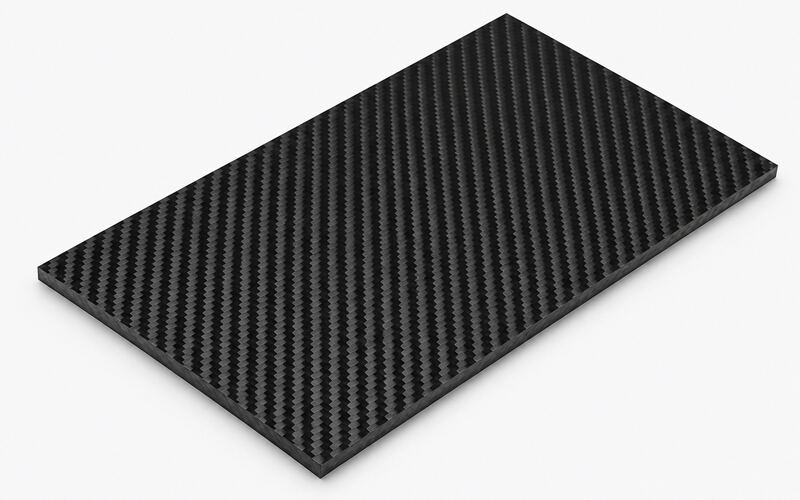
Does appearance matter? Visible carbon fiber sheets and panels often use smaller tow sizes when a fine-weave appearance is important. Automotive panels, consumer electronics housings, and custom furniture may follow similar cosmetic requirements.
What load conditions will the part face? Complex, dynamic loading scenarios generally favor smaller tow sizes and more precise engineering. Simple, static structural loads can often accommodate larger, more economical options.
How much time do you have? Manufacturing with larger tows moves faster. If you’re working against a tight deadline, that speed advantage could tip the scales.
Carbon fiber tow size might seem like a minor technical detail at first glance, but it ripples through nearly every aspect of a finished composite part—cost, weight, appearance, and mechanical performance all trace back to this fundamental choice. Whether you’re an engineer specifying materials for an aerospace component or a hobbyist building your first carbon fiber project, understanding these distinctions will help you make smarter, more informed decisions.
Take time to match your tow size selection to your project’s actual requirements rather than defaulting to whatever’s most readily available. The right choice now saves headaches, costs, and potential failures down the road.