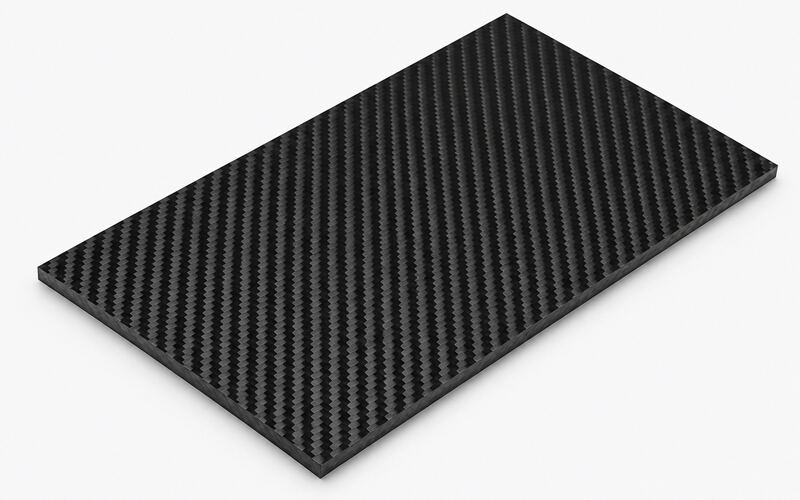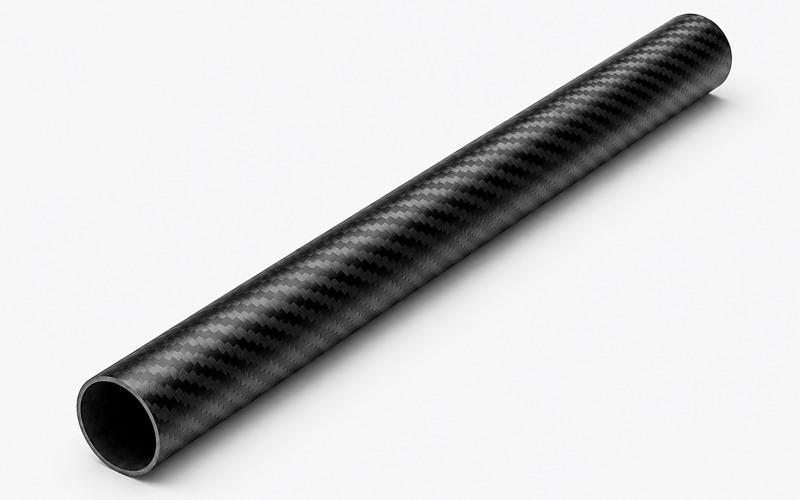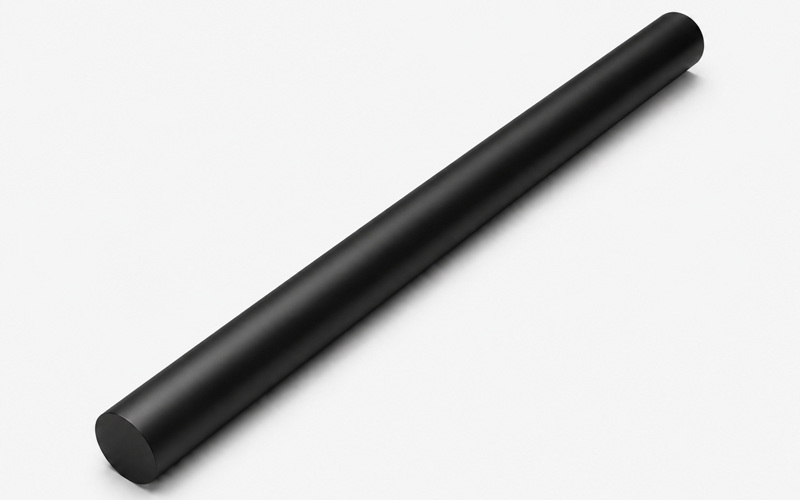
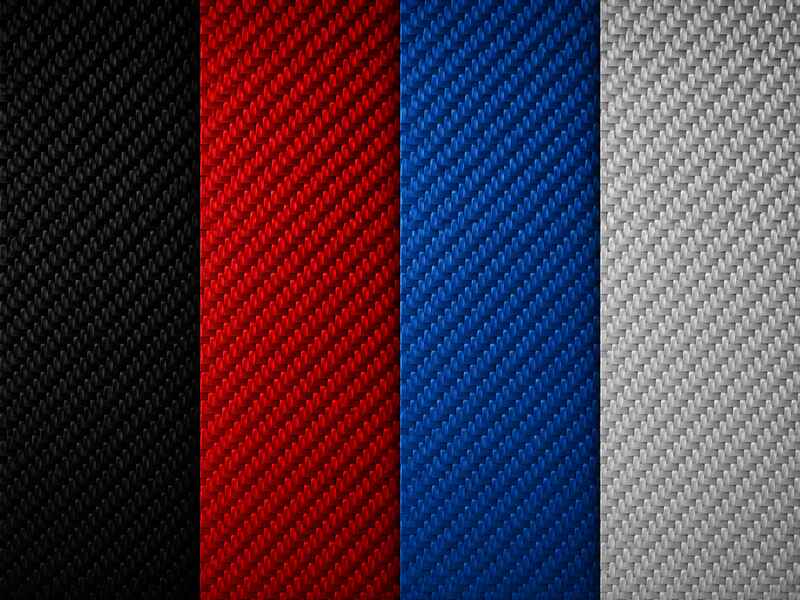
Conventional carbon fiber reinforcement usually appears black or dark gray depending on grade and finish.
Standard carbon filaments typically show a black or charcoal shade formed during fiber production.
Slight tonal differences can appear between fiber grades, sizing types, and fabric tightness.
Why Carbon Fiber Looks Black?
The dark appearance comes from the carbon-rich structure formed during fiber processing.
Carbonization and Carbon Content
Carbonization converts precursor fibers into a carbon-rich reinforcement by removing most non-carbon elements.
This process leaves a dense molecular structure that strongly influences the fiber’s natural dark shade.
Light Absorption by Carbon Filaments
The carbon-rich surface absorbs a large portion of visible light rather than reflecting it.
Minimal reflected light produces the deep black or dark gray tone associated with raw carbon tow.
Surface Treatment and Sizing
Sizing agents applied to filaments can slightly affect surface texture and light interaction.
A different sizing formulation may shift the visual depth without altering the underlying carbon structure.
Fiber Color Versus Composite Color
Bare fiber appearance differs from the color visible on a finished CFRP laminate.
Bare Carbon Fiber Appearance
Dry carbon fabric often looks slightly lighter and less uniform than a cured laminate.
Loose tow, sizing, and fabric handling can create subtle surface variation before resin impregnation.
Resin Effects on Laminate Color
Transparent resin typically deepens the black appearance once it saturates the reinforcement.
Resin-rich pockets may reflect more light than densely packed tow, creating slight shade variation across the surface.
Tinted resin can add a visible hue while leaving the underlying black fiber structure unchanged. The final laminate color depends on several factors:
- Resin clarity: Clear resin preserves more of the natural black weave, while less transparent resin reduces pattern visibility.
- Pigment concentration: Higher pigment levels produce stronger color saturation but may obscure the underlying fibers.
- Fiber density: Densely packed carbon tow remains darker than resin-rich areas with fewer visible filaments.
Clear Coat and Surface Reflection
A clear coat adds gloss and surface depth without changing the reinforcement color.
Coating thickness and surface flatness influence how strongly light reflects from the finished part.
Can Carbon Fiber Have Different Colors?
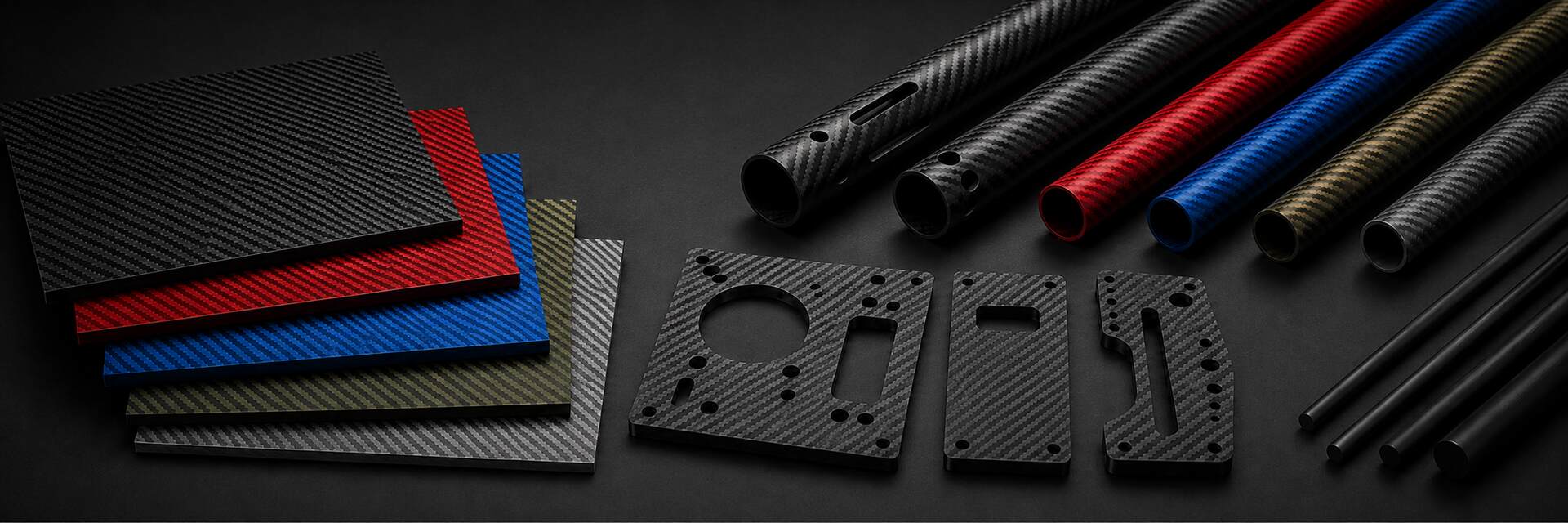
Colored carbon fiber products rely on hybrid yarns, tinted resin, or applied coatings rather than dyed carbon filaments.
Colored Hybrid Fabrics
Hybrid carbon fiber fabric combines black carbon tow with colored fiberglass or aramid yarn woven into the same structure.
The colored yarn provides the visible hue while carbon tow continues to supply reinforcement.
Replacing part of the carbon content changes the fiber composition and may influence stiffness or weight. Manufacturers select hybrid ratios based on desired appearance and acceptable performance trade-offs.
Tinted Resin Systems
Tinted resin introduces a translucent hue while allowing partial visibility of the woven pattern beneath it.
Saturation and pigment concentration determine how strongly the color appears over dark carbon tow.
Painted and Coated Surfaces
Opaque paint fully covers the woven surface and hides the underlying pattern from view.
This method allows solid color coverage while the structural laminate remains unchanged beneath the coating.
Colored Forged Carbon
Colored forged carbon typically comes from pigmented resin mixed with chopped carbon fragments during compression molding.
Random fiber placement creates a marbled pattern rather than a uniform woven texture.
The final appearance depends on pigment distribution, chopped fiber size, and how the material flows inside the mold.
| Coloring Method | How the Color Is Created | Surface Appearance | Effect on Construction |
|---|---|---|---|
| Colored Hybrid Fabric | Black carbon tow is woven with colored fiberglass or aramid yarn. | The color forms part of the visible woven pattern. | Replacing carbon yarn may change stiffness, weight, and impact response. |
| Tinted Resin | Translucent pigment is added to the resin system. | The color appears over the black fibers while retaining partial weave visibility. | The carbon reinforcement remains black, but resin formulation may affect processing. |
| Paint or Surface Coating | Opaque paint or a colored coating is applied after laminate production. | Solid color coverage hides most or all of the woven pattern. | The structural laminate remains unchanged beneath the coating. |
| Colored Forged Carbon | Pigmented resin is mixed with chopped carbon fragments during compression molding. | Random fiber placement creates a colored marbled pattern. | Performance depends on fiber length, distribution, resin, and molding conditions. |
How Weave Changes Color Appearance
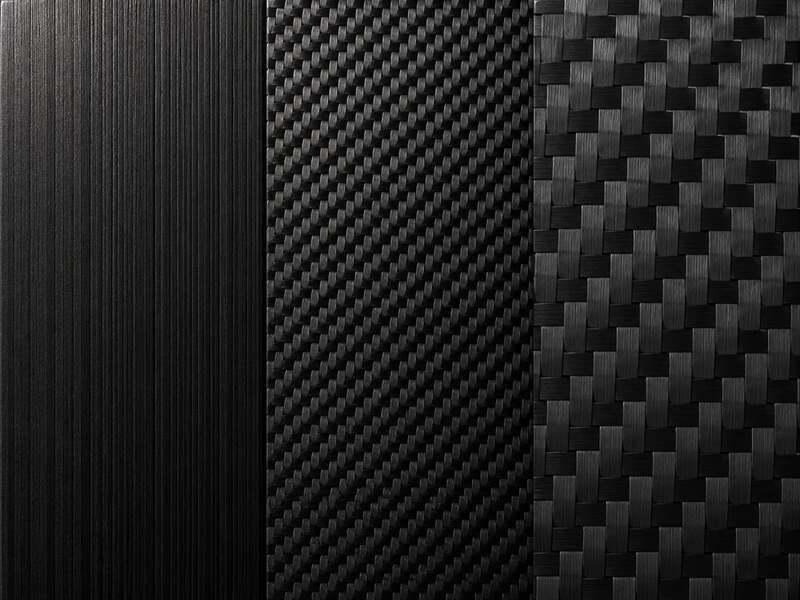
Different weave geometries create recognizable carbon fiber patterns that also change how light reflects from the surface.
Weave geometry alters reflected light without changing the natural chemical color of carbon fiber.
Plain and Twill Weave Reflection
Plain and twill weave reflect light differently. Plain weave produces a tighter checkerboard pattern with more frequent light and dark transitions, while twill weave creates diagonal bands that appear smoother due to fewer crossover points.
Spread Tow Surface Appearance
Spread tow fabric flattens filament bundles into thin ribbons that reflect light more evenly.
This structure often produces a softer, more uniform surface appearance compared with standard weaves.
Tow Size and Pattern Scale
Tow size, such as 3K or 12K, influences how large the visible weave pattern appears on the finished surface.
Larger tow bundles create a bolder pattern scale, while finer tow produces a tighter visual texture.
Fiber Orientation and Light Angle
Changing viewing angle alters how light reflects off angled fiber bundles within the weave.
This effect can make the same laminate appear lighter or darker depending on the observer’s position.
The apparent shade may therefore change even though the fiber, resin, and surface finish remain the same.
How Finish Affects Carbon Fiber Color?
Matte and gloss finishes change perceived color depth without altering the fiber’s underlying composition.
Matte Carbon Fiber
Matte surfaces scatter incoming light in multiple directions rather than reflecting it directly.
This scattering softens contrast and often produces a slightly grayer visual tone.
Gloss Carbon Fiber
Gloss finishes create strong directional reflection that deepens visual contrast across the weave.
The added surface clarity can make black areas appear richer and more saturated.
Satin and Textured Finishes
Satin finishes fall between matte and gloss, offering moderate reflection with reduced glare.
Textured coatings can further modify surface feel while leaving the reinforcement color unaffected.
Lighting and Viewing Angle
Indoor and outdoor lighting conditions change how strongly a finish reveals weave contrast.
The same panel may appear darker under diffuse light and more reflective under direct sunlight.
Product photographs can therefore show a different shade from the appearance seen under actual operating conditions.
| Surface Finish | Light Behavior | Perceived Color | Visual Characteristics |
|---|---|---|---|
| Matte | Scatters incoming light in multiple directions. | Often appears softer, flatter, and slightly grayer. | Reduces glare and limits strong weave reflections. |
| Gloss | Creates strong directional reflections. | Black areas appear deeper and more saturated. | Produces high contrast and greater surface depth. |
| Satin | Provides moderate reflection with less glare than gloss. | Maintains a balanced black tone. | Falls visually between matte and gloss finishes. |
| Textured | Breaks up reflected light across an uneven surface. | Color depth varies with texture and viewing angle. | Changes surface feel without changing the reinforcement color. |
Real and Imitation Colored Carbon Fiber
Genuine colored CFRP differs structurally from printed or coated imitation materials.
Hybrid Fabric Versus Dyed Fiber
Hybrid fabric contains genuine carbon tow paired with colored yarn from another material.
This differs from an unsupported claim of dyed carbon filament, which lacks reliable technical basis for conventional fiber.
Printed Carbon Fiber Patterns
Printed patterns reproduce the visual texture of woven carbon fiber on plastic or vinyl substrates.
These materials do not contain carbon reinforcement unless applied over an existing CFRP surface.
Hydro-Dipped Carbon-Look Surfaces
Hydro-dipping transfers a carbon-look film onto a molded plastic part during surface decoration.
The resulting surface mimics woven fiber appearance without providing structural carbon reinforcement.
What White Carbon Fiber Really Is?
Products marketed as white carbon fiber often use white fiberglass hybrid yarn or a painted CFRP surface.
Conventional carbon filament remains naturally dark rather than white.
Verifying the underlying reinforcement remains necessary before assuming any bright white fabric is genuine dyed carbon.
Does Color Affect Carbon Fiber Performance?
Performance depends on material construction rather than the visible surface color alone.
Cosmetic Layers and Structural Layers
A decorative outer ply may not represent the full stacking sequence beneath it.
Structural performance depends on the complete laminate schedule, including hidden black reinforcement plies.
Hybrid Fibers and Mechanical Properties
Replacing carbon yarn with fiberglass or aramid changes stiffness, weight, and impact response.
These property shifts result from fiber substitution rather than the color itself.
Fiber volume fraction and orientation continue to govern mechanical behavior regardless of surface appearance. Manufacturers balance hybrid ratios against required structural performance.
Paint and Coating Effects
Surface coatings primarily influence appearance, UV protection, and scratch resistance rather than internal strength.
Coating damage typically affects cosmetic quality without indicating structural laminate failure.
Color Durability and UV Exposure
Environmental exposure can alter visible color even when the reinforcement remains structurally intact.
Resin Yellowing
UV exposure and heat can gradually yellow clear resin over extended outdoor use.
This effect changes surface appearance rather than the color of the carbon reinforcement itself.
Pigment Fading
Certain pigments lose intensity when exposed to prolonged sunlight and temperature cycling.
Fading severity depends on pigment chemistry and formulation stability.
Clear Coat Degradation
Clear coatings can lose gloss or develop haze as UV exposure breaks down surface polymers.
Degraded coatings may require refinishing to restore original color depth.
Outdoor Color Protection
UV-stable resin, compatible pigments, and protective clear coats support longer outdoor color retention.
Common protection measures include:
- Using UV-stable resin formulated for extended outdoor exposure.
- Selecting pigments with suitable resistance to sunlight and temperature cycling.
- Applying a compatible UV-resistant clear coat over the finished laminate.
- Inspecting the surface for haze, fading, cracking, or loss of gloss.
- Refinishing damaged coatings before prolonged exposure reaches the underlying resin.
Material selection should reflect actual exposure conditions rather than a universal durability guarantee.
Choosing a Carbon Fiber Color
Method selection depends on desired appearance, durability needs, and structural requirements.
Visible Weave Versus Solid Color
Hybrid fabric or tinted resin preserves visible weave texture beneath the applied color.
Opaque paint removes weave visibility in favor of uniform solid coverage.
Hybrid Fabric Versus Surface Coating
Hybrid fabric changes reinforcement composition, while surface coating leaves the laminate structure unchanged.
Choosing between them depends on whether color should originate within the fabric or on the surface.
Indoor and Outdoor Applications
Outdoor components benefit from UV-resistant resin and protective coatings to limit fading.
Indoor applications may tolerate a wider range of pigment and coating choices.
Appearance Versus Structural Requirements
Decorative colored surfaces suit cosmetic or lightly loaded components rather than primary structural parts.
Visible color and weave pattern do not provide enough information to evaluate the internal laminate structure.
Engineers should confirm laminate schedule and fiber composition before assuming appearance reflects performance.
For projects requiring specific colors, weave patterns, or surface finishes, colored carbon fiber sheets can be customized to match both cosmetic and dimensional requirements.
FAQ
Is Carbon Fiber Naturally Black?
Conventional carbon fiber is typically black or dark gray due to its carbon-rich structure.
Slight shade differences can occur between fiber grades and sizing types.
Can Real Carbon Fiber Be Red or Blue?
Red or blue appearance usually comes from hybrid yarn, tinted resin, or surface coating rather than dyed carbon filament.
The underlying reinforcement often remains black beneath the colored layer.
Does Carbon Fiber Come in White?
White carbon-look fabric often uses white fiberglass hybrid yarn or a painted CFRP surface.
True carbon filament is not naturally white without reliable supporting evidence.
Does Colored Carbon Fiber Lose Strength?
Color alone does not determine strength, since performance depends on fiber type and laminate construction.
Strength changes occur when hybrid fibers or resin formulation replace standard carbon reinforcement.
Why Does Carbon Fiber Look Gray?
Certain fiber grades, sizing agents, or lighting conditions can create a grayer visual tone.
Matte finishes also scatter light in ways that soften the perceived black shade.